Exterior
Painting exterior trim and doors
Exterior trim and doors do more than add color — they protect the edges, seams, and entry points of your home. Here’s what matters for prep, paint, weather, cost, and hiring a licensed exterior painter.
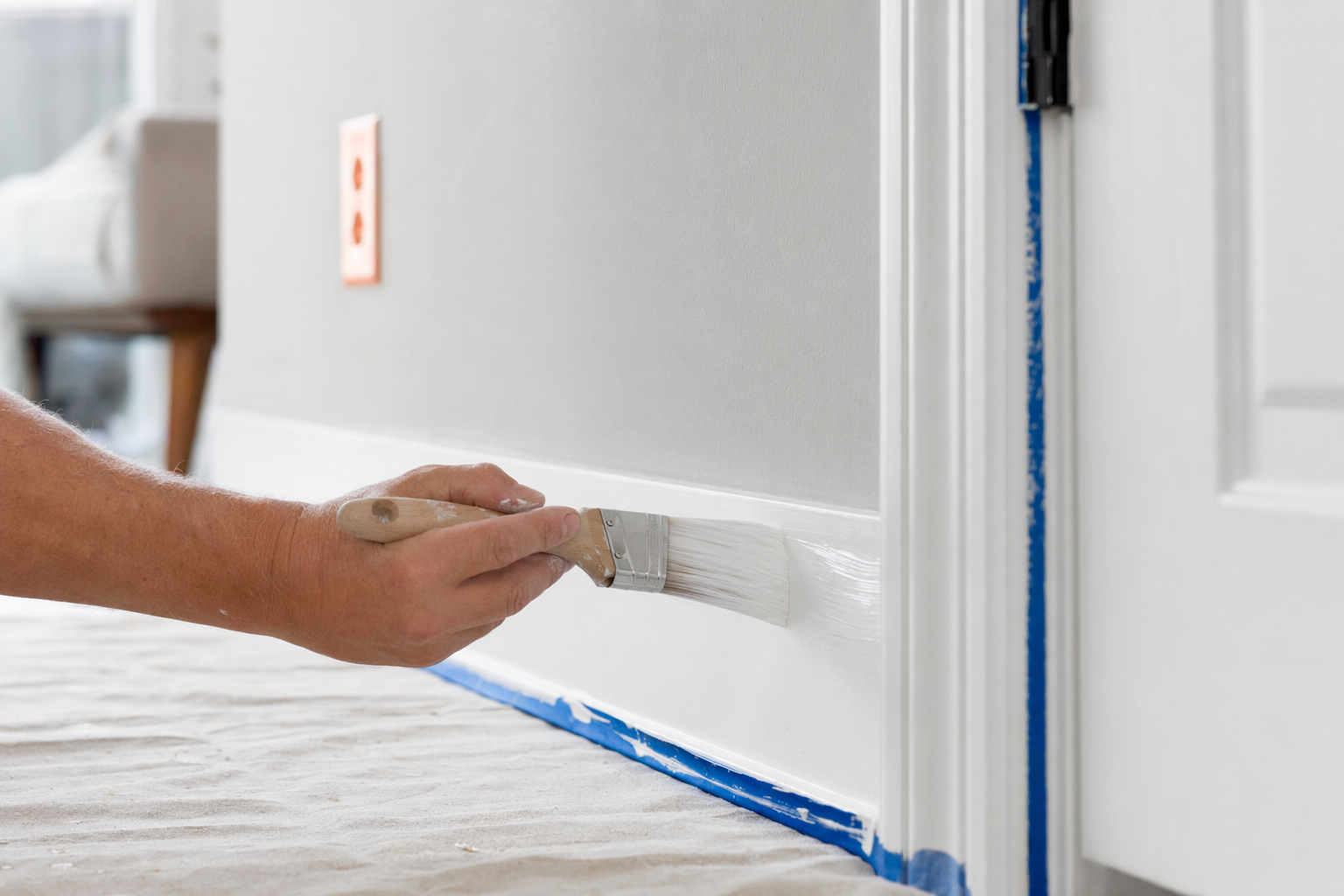
Why exterior trim and doors need the right prep
Trim, fascia, shutters, and exterior doors get hit hard by sun, rain, temperature swings, and everyday wear. Even small areas can fail early if peeling paint, cracked caulk, bare wood, or moisture problems are painted over instead of fixed first.
Good prep usually means washing, scraping loose paint, sanding rough spots, spot-priming bare areas, replacing failed caulk, and making sure the surface is dry before paint goes on. For doors, painters also look at sticky edges, old drips, dents, and weather exposure on the front face.
If your home was built before 1978, old paint may contain lead. That is a safety issue to ask about. Ask how the painter follows lead-safe work practices when disturbing old exterior paint.
This page is general information only. HuePort is a free matching service, not a painting company or licensed contractor, and we do not perform painting work.
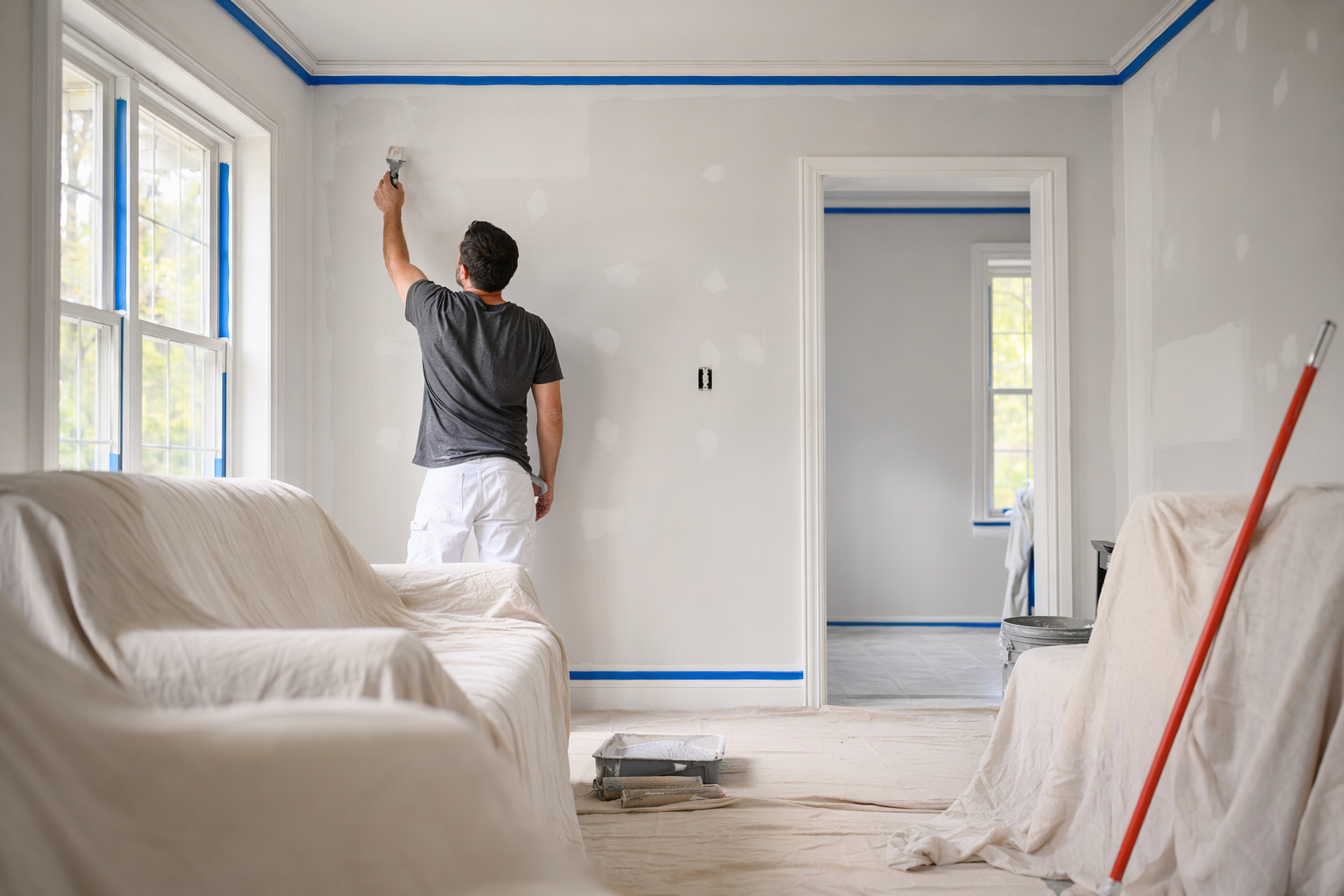
Best paint and finish for trim, fascia, shutters, and doors
Most exterior trim and doors are painted with high-quality exterior acrylic latex paint because it holds color well, moves better with weather changes, and is easier to maintain than many older oil-based products. Some painters may still use specialty primers or coatings depending on whether the surface is wood, engineered trim, metal, fiberglass, or previously painted material.
For trim and fascia, satin or semi-gloss is common. These finishes shed water better than flat paint, are easier to clean, and help the trim stand out from siding. For shutters, satin is common, while semi-gloss can work if you want a crisper, more noticeable look.
Front doors are often done in satin, semi-gloss, or gloss, depending on the style of the home and how much shine you want. Higher sheen can look beautiful and wipe clean more easily, but it also shows dents, sanding marks, and surface flaws more clearly.
Color matters too. Dark colors on doors and trim can look rich, but on full-sun exposures they may fade faster or get hotter. If you are still deciding, explore color ideas before you lock in a finish.
Weather and timing: when exterior trim painting goes best
Exterior trim work is more weather-sensitive than many homeowners expect. Paint needs a clean, dry, stable surface and enough time to cure before rain, heavy dew, or temperature drops. Even if the wall looks dry, shaded trim, fascia, and door panels can hold moisture longer.
In many parts of the US, mild spring and fall weather are ideal. Very hot sun can make paint dry too fast, which may hurt leveling and adhesion. Cold temperatures can slow curing. Humidity, wind, and direct afternoon sun can all affect how a job is scheduled.
A good painter will usually watch the forecast, plan around sun exposure, and avoid rushing coats just to finish quickly. That matters on doors especially, because they are touched often and can stick if closed too soon.
If your exterior project includes more than trim and doors, our exterior painting guide can help you think about timing and surfaces together.
What exterior trim and door painting costs
Exterior trim and door pricing is often smaller in total than full-house painting, but the cost per square foot or per linear foot can be higher because detail work takes time. Nationally, many homeowners see exterior trim painting priced around $1.50 to $4.50 per square foot of paintable trim area, or roughly $2 to $7 per linear foot for simple trim runs. Fascia, shutters, and decorative details can push that higher.
For exterior doors, repainting one standard front door often falls around $150 to $500+, while a door with sidelights, glass, heavy sanding, repairs, or multiple colors may cost more. Shutters are often priced per pair or per set, and detached prep or removal can add labor. These are general ranges, not quotes.
The real number depends on the surface material, how much scraping and sanding is needed, whether bare wood needs primer, the number of coats, paint grade, height and ladder access, how many windows or detailed corners are involved, and your area. Trim-only jobs also sometimes cost more than expected because painters still need setup time, masking, ladders, and careful cut-in work.
To compare pricing with other exterior jobs, see typical painting costs. Always get the scope, paint product, number of coats, and total price in writing before work starts.
How to hire a licensed, insured exterior painter without getting overcharged
Trim and door work may look simple, but outside prep and finish quality matter a lot. A licensed, insured painter can help you choose the right exterior coating for wood, metal, or fiberglass and can spot issues like soft wood, failed caulk, or moisture damage that should be addressed before paint.
When you compare painters, ask clear questions and get clear written answers:
1. What prep is included — washing, scraping, sanding, caulking, priming, and minor repairs?
2. What exact paint or coating will be used, and what sheen is planned for trim and doors?
3. How many coats are included, and on which surfaces?
4. Are license and insurance current for my area?
5. How will weather affect scheduling and dry time?
6. For pre-1978 homes, how do you follow lead-safe work practices?
Watch for common painting scams and overcharging: vague pricing, large cash deposits up front, door-to-door "today only" deals, no license or insurance, or pressure to sign on the spot. Compare a few quotes, and make sure color, paint, scope, and price are in writing first.
HuePort is free for homeowners. We are not a painting company, paint store, or contractor. We simply help you get matched with local painters based on your contact and project details: name, phone, optional email, project type, ZIP, preferred language, and optional notes.
Exterior trim and doors last longer when the prep is thorough, the paint is made for weather, and the price and scope are clearly written down before work starts.
Common questions
What finish is best for exterior trim?
Satin and semi-gloss are the most common choices. They hold up well outside, clean more easily than flat paint, and help trim resist moisture better.
Can a front door be painted the same day?
Sometimes, but weather, drying time, and the condition of the old finish matter. A painter may need extra time for prep, primer, multiple coats, and safe curing before the door gets heavy use.
Why is trim painting expensive for such a small area?
Because the labor is detailed. Setup, ladders, scraping, sanding, caulking, masking, and careful brushwork can take a lot of time even when the paintable area is small.
Should I use the same paint on trim and doors as on siding?
Usually not. Trim and doors often use a different sheen or even a different product made for harder wear and better moisture resistance. A licensed painter can recommend the right exterior coating for each surface.
How do I find a good exterior painter near me?
Look for licensed, insured painters, compare a few written quotes, and verify what prep, paint, coats, and cleanup are included. HuePort is a free matching service that can help connect you with painters near you, but you choose who to hire.