Exterior
Painting a front door
A freshly painted front door can change the whole look of your home. Here’s how to choose a durable color and finish, prep the door the right way, understand real cost ranges, and find a licensed exterior painter near you.
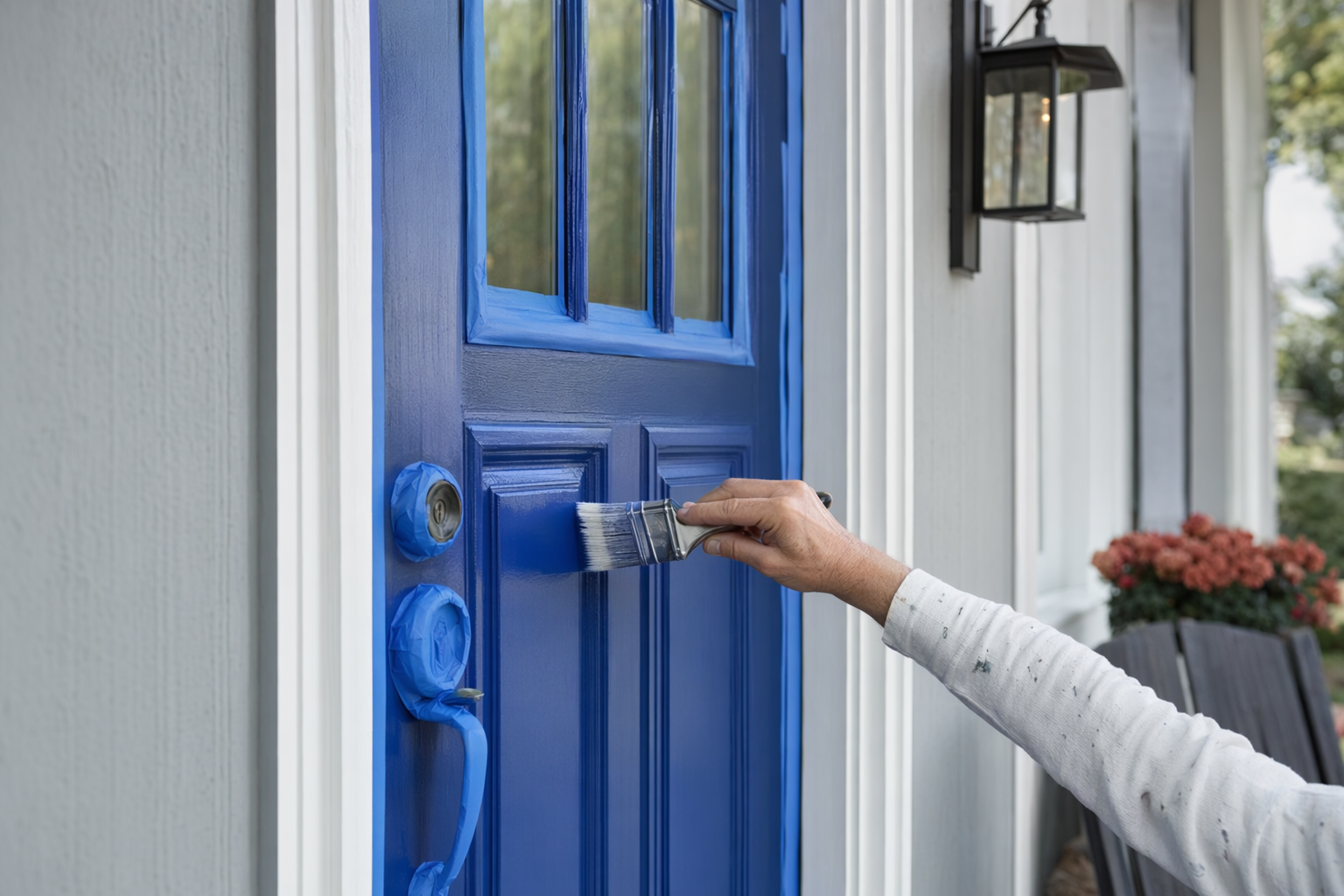
Why a front door is a small project with a big visual impact
Your front door is one of the first things people notice. A bold color can make the house feel more welcoming, while a soft neutral can look clean and classic. Even if you are not repainting the full exterior, a door refresh can make the entry look newer.
Front doors also take more abuse than many other painted surfaces. Sun, rain, humidity, cold, hand oils, dirt, and repeated opening and closing all wear the finish down. That is why the best front door paint job is not just about color — it is also about careful prep, the right exterior coating, and enough dry time between coats.
If you are still deciding on style, browse exterior paint ideas and color inspiration before you commit. It is easier to test color first than to repaint a bright door you end up not loving.
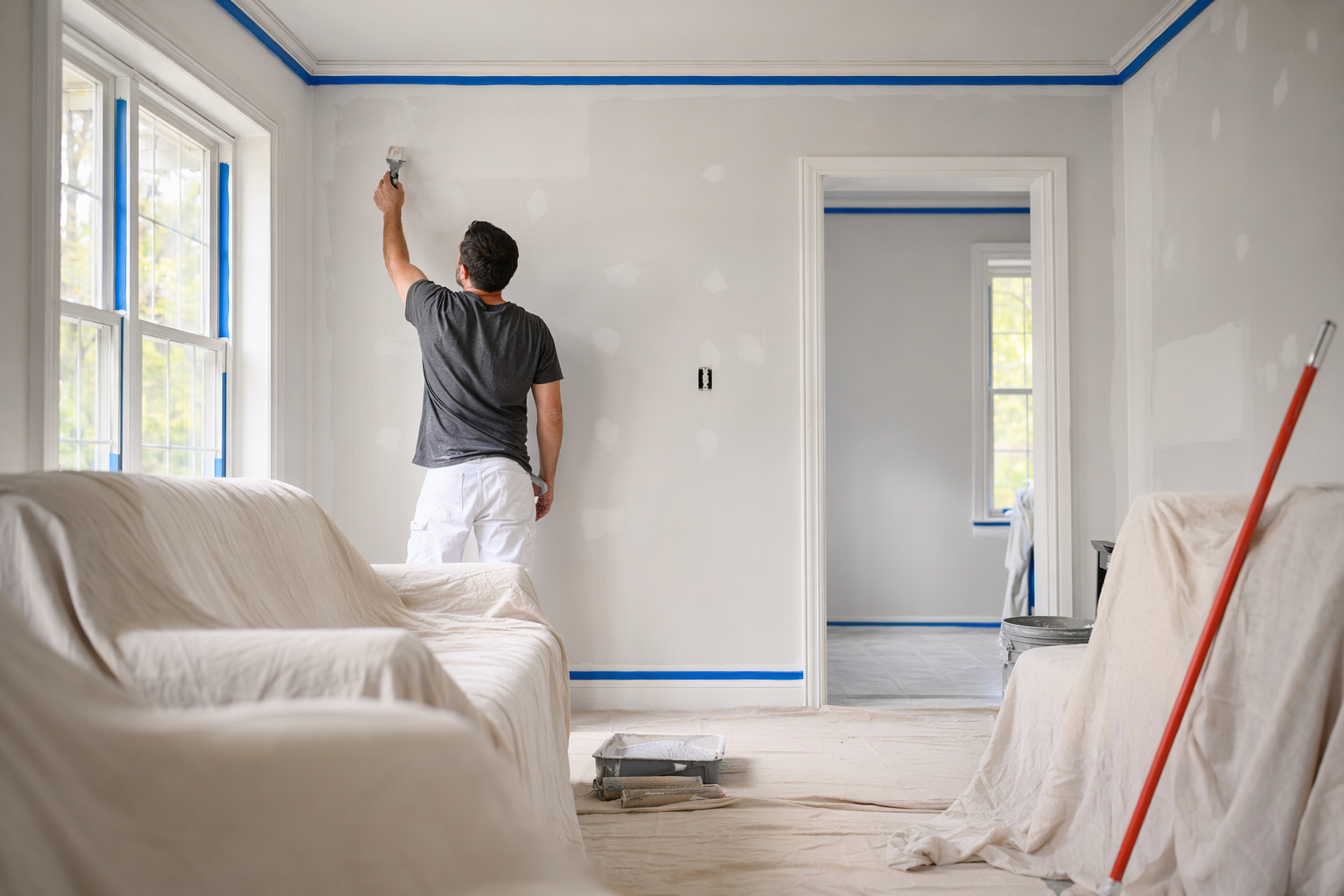
Prep matters more than most people expect
A front door may look simple, but the prep is where the job goes right or wrong. Most doors need cleaning first to remove dust, pollen, grease from hands, old wax, or chalky paint. Loose or peeling paint usually needs to be scraped and sanded so the new coating can bond well.
If the surface has dents, small cracks, or old hardware marks, patching and smoothing may be needed before priming. Glossy old paint often needs light sanding or a bonding primer. Bare wood spots, stains, or filler areas usually need primer too. Metal doors may need rust treatment and the correct primer for metal.
If your home was built before 1978, older paint may contain lead. That is a safety issue to ask about when talking with a painter. Ask how they follow lead-safe work practices when prep involves sanding, scraping, or disturbing old paint.
General prep steps often include:
1. Remove or protect nearby hardware, glass, and weatherstripping.
2. Wash and fully dry the door.
3. Scrape loose paint and sand rough or glossy areas.
4. Patch minor flaws if needed.
5. Spot-prime or fully prime, depending on the surface and condition.
6. Apply two finish coats if needed for color coverage and durability.
Best paint and finish for a front door
For most front doors, a high-quality exterior paint made for trim, doors, or multi-surface exterior use is the safer choice. The exact product depends on whether the door is wood, fiberglass, steel, or already painted with a different type of coating. A licensed painter can help match the coating to the surface and existing condition.
In many cases, satin or semi-gloss is a practical finish for a front door. These finishes are easier to wipe clean than flat paint and usually hold up well to weather and frequent touching. Gloss can look dramatic, but it also shows more surface flaws and prep mistakes. Flat is usually not the best choice for a hard-working front door.
Color matters too. Dark colors can look rich and modern, but in strong sun they can heat up more and may fade faster on some exposures. Bright reds, yellows, and deep blues often need extra coats for full, even coverage. If your door gets direct afternoon sun, ask about fade resistance and the best paint grade for that exposure.
Helpful things to confirm before painting:
- Is the paint rated for exterior use?
- Is it right for wood, metal, or fiberglass?
- Does the door need a bonding, stain-blocking, or rust-inhibiting primer?
- Will this color likely need extra coats?
- Is satin, semi-gloss, or gloss the best balance of look and durability?
Weather and timing can change the result
Exterior door painting depends heavily on the weather. Paint needs the right temperature and enough dry time to cure properly. If it is too cold, too hot, too humid, or rain is coming too soon, the finish can dry slowly, stay tacky, flash unevenly, or fail earlier than expected.
Mild, dry days are usually best. Direct strong sun on the door can make paint set too fast on the surface before it levels well. High humidity can slow drying. Wind can blow dust or pollen onto fresh paint. A painter may choose to paint at a certain time of day based on the door’s sun exposure.
The other timing issue is use. A front door cannot stay open forever, but it also should not be closed too early if the paint is still soft. That can cause sticking, marks, or damaged edges around weatherstripping. Ask how long the door should remain ajar, lightly used, or fully cure before heavy use.
Because weather varies so much by area in the US, there is no single perfect month everywhere. A local licensed exterior painter will usually know the safer painting windows in your ZIP code.
What does front door painting cost?
A front door is often priced per door rather than strictly by square foot, since prep, details, and hardware work matter so much. In many US areas, professional front door painting or refinishing may run about $150 to $500 for a straightforward repaint, and about $300 to $900 or more when there is heavier prep, multiple coats, sidelights, trim, decorative panels, glass masking, or door removal.
If painters do quote by square foot, small detailed surfaces like doors often end up costing more per square foot than large flat siding areas. That is because the labor is in the prep and detail work, not just the surface size.
These are general ranges, not quotes. The real number depends on the door material, peeling or damage, prep needed, number of coats, paint grade, color change, hardware removal, glass sections, access, whether the painter removes the door to spray it, and your local labor market. For more examples of what affects pricing, see painting cost guides.
Cost usually goes up when:
- Old paint is peeling or failing
- The surface needs sanding, patching, rust treatment, or stain blocking
- You choose a strong color that needs extra coats
- There are sidelights, trim, or ornate details
- The painter removes and reinstalls hardware or the door itself
- Your area has higher labor costs
DIY or hire a painter? And how to avoid overpaying
A careful DIY front door paint job is possible if the door is in decent shape and you have time to prep well and let coats dry properly. But if the door has peeling paint, rust, old damage, lots of detail, or you want a very smooth finish, many homeowners decide it is worth hiring a pro.
If you hire someone, ask for the scope in writing before work starts. That should include prep, primer if needed, number of coats, what paint will be used, what parts are included, and the total price. Compare a few quotes when you can. Vague pricing, large cash deposits up front, door-to-door “today only” deals, no license or insurance, and pressure to sign on the spot are common warning signs.
Always verify that the painter is licensed and insured where required locally. HuePort is a free matching service, not a painting company, paint store, or licensed contractor. We help homeowners connect with painters near them, and it is always free for the homeowner to use. You stay in control: you choose who to hire, confirm the color and price before work starts, and confirm the work looks right before paying the final amount.
If you want help finding local pros, you can get matched for free. We only collect basic contact and project details such as your name, phone, optional email, project type, ZIP, preferred language, and optional notes.

A front door looks simple, but a durable result depends on good prep, the right exterior paint, weather timing, and a clear written quote from a licensed, insured painter.
Common questions
What is the best finish for a front door?
For many front doors, satin or semi-gloss is a good balance of durability, washability, and appearance. The best choice still depends on the door material, condition, and the look you want.
How long does it take to paint a front door?
The painting itself may be a one-day or two-day project, but drying and curing depend on weather, paint type, and how many coats are needed. Ask the painter how long the door should stay partly open and when normal use is safe.
Can I paint a metal or fiberglass front door?
Usually yes, but the right primer and exterior coating matter. Metal may need rust treatment, and fiberglass or glossy factory finishes may need special prep for good adhesion.
How often should a front door be repainted?
There is no fixed schedule. Doors in harsh sun, heavy rain, or busy entryways may need attention sooner than protected doors under a deep porch.
Do painters remove the door to paint it?
Sometimes. Some painters paint the door in place, while others remove it for easier prep or a smoother sprayed finish. Either approach can work if the prep, masking, and drying time are handled well.
How do I choose a front door color that will last?
Pick a color you like in your home’s natural light, and ask how it may perform in full sun. Some very dark or bright colors may need more maintenance or extra coats, especially on exposed doors.