Exterior
Painting siding
Painting siding can make a home look newer and protect it from weather, but the right prep and coating depend on whether you have wood, fiber-cement, engineered wood, or vinyl. Here’s how to plan it clearly and compare prices without guessing.
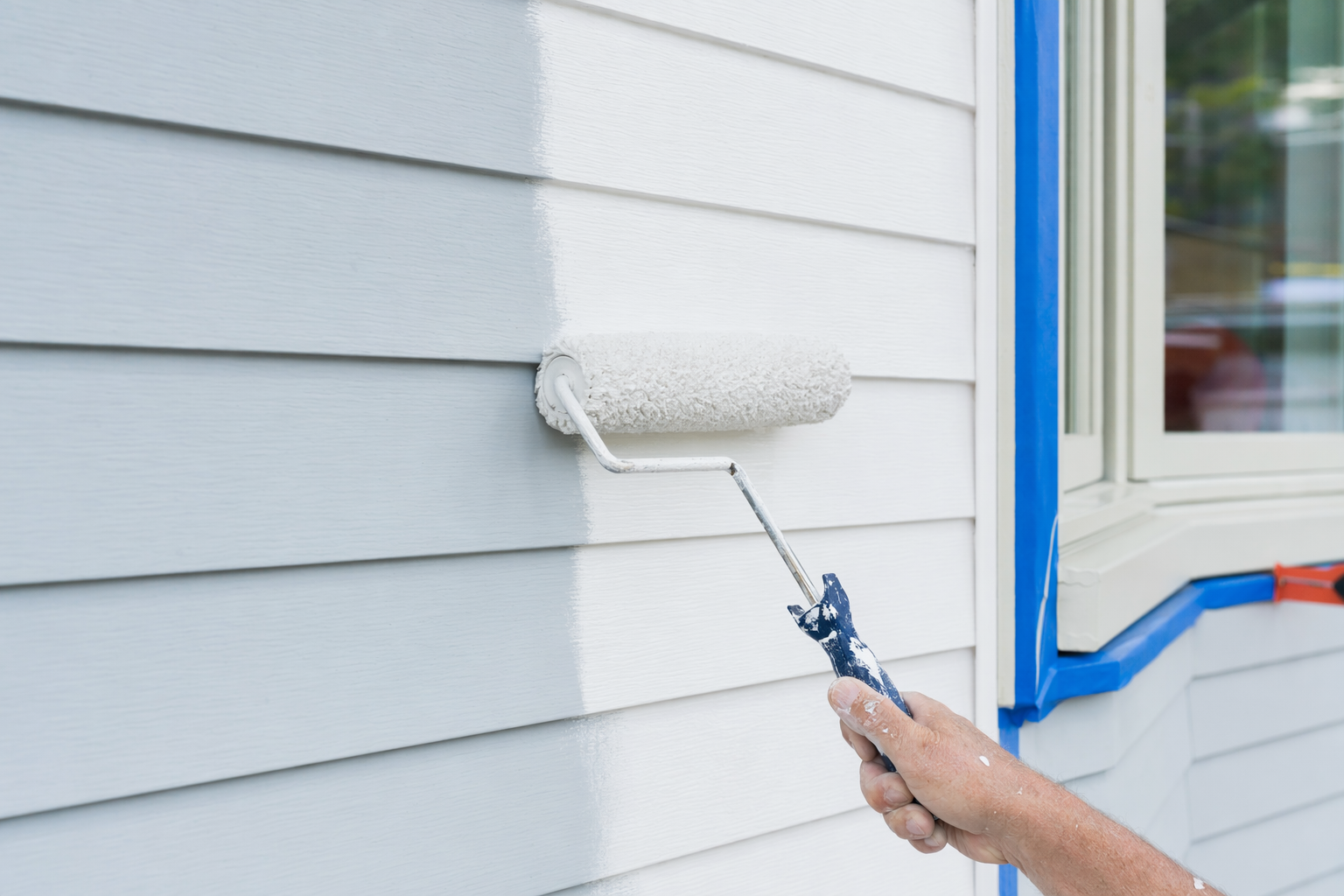
Start with the siding type, not just the color
“Siding” covers a few very different materials, and they do not all get painted the same way. Wood siding often needs more scraping, spot priming, caulking, and moisture checks. Fiber-cement usually holds paint well but still needs cleaning and careful prep. Vinyl can sometimes be painted, but only with the right paint made for vinyl and a color choice that will not create heat problems.
Before anyone talks about color, ask what material is on your house and what condition it is in. Peeling paint, chalky residue, mildew, rotten trim, failed caulk, sun damage, and water intrusion can all change the prep time and the price.
If your home was built before 1978, old exterior paint may contain lead. That is a safety point to ask about: ask how the painter follows lead-safe work practices during scraping, sanding, cleanup, and containment. HuePort is a free matching service, not a painting company or contractor, so we provide general information only and can help you connect with licensed, insured painters near you through get matched.
- Wood siding: often the most prep-heavy
- Fiber-cement: usually straightforward if sound and clean
- Vinyl: needs vinyl-safe paint and careful color selection
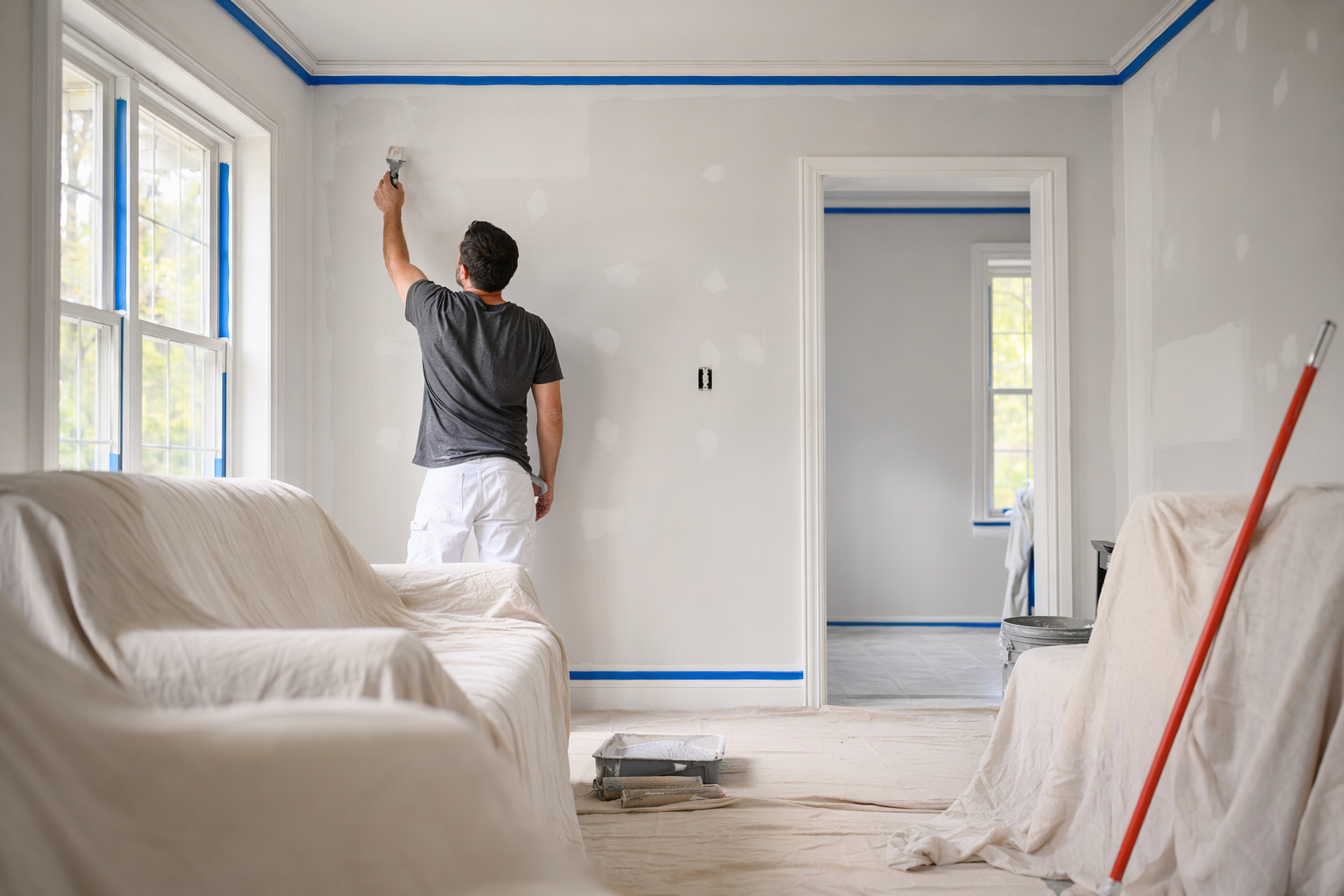
Prep matters more than the label on the paint can
A lasting siding paint job usually depends more on prep than on the brand name alone. Most exterior painters start by washing the surface to remove dirt, chalking, mildew, cobwebs, and loose paint. Then they scrape peeling areas, sand rough edges, spot-prime bare material, recaulk gaps where needed, and protect landscaping, windows, walkways, and fixtures.
For wood siding, painters may also look for cracked boards, soft spots, nail pops, or moisture issues. For fiber-cement, they may focus on dust, failed joints, and clean primer-ready surfaces. For vinyl, prep is usually about washing thoroughly and making sure the paint system is specifically approved for vinyl.
If the siding has major damage, active leaks, or structural issues, painting is not the first fix. A licensed painter can tell you what should be repaired before coating starts. Get the scope in writing so you know exactly what prep is included and what costs extra.
A simple written scope should list washing, scraping, sanding, caulking, priming, the number of coats, which surfaces are included, and what is excluded. That helps you compare quotes more fairly and avoid vague pricing.
- Ask if washing is included
- Ask where primer will be used: full coat or spot prime
- Ask how peeling areas and failed caulk will be handled
Best paint or coating by siding surface
Most siding jobs use an exterior-grade acrylic latex paint because it handles sun, temperature swings, and normal moisture better than older paint types. But the exact coating still depends on the surface and the condition.
For wood siding, painters often use a high-quality exterior acrylic paint over the right primer on bare or repaired areas. Wood expands and contracts, so flexibility and adhesion matter. For fiber-cement, many pros also use premium exterior acrylic products designed for masonry-like or factory-primed surfaces. For engineered wood, the manufacturer’s coating guidance matters. For vinyl, ask specifically for a vinyl-safe exterior paint and confirm whether the chosen color is approved for vinyl siding.
Finish matters too. Flat and low-luster finishes can hide minor surface flaws, but satin is common on siding because it gives a bit more washability and durability without looking too shiny. Very glossy finishes can highlight dents, patches, and uneven boards.
If you are still picking colors, colors can help you narrow down a direction. On many homes, siding color looks different outside than it does on a tiny paint chip because sunlight, shade, roof color, brick, trim, and nearby trees all affect what you see.
Weather affects the schedule more than many homeowners expect
Exterior painting depends on the forecast, not just the calendar. Rain, heavy dew, strong wind, high humidity, very hot direct sun, and cold nights can all affect how paint sticks and cures. Even when the wall feels dry, the surface may still have moisture that can cause problems later.
In many parts of the US, spring and fall are popular because temperatures are steadier. Summer can work well too, but very hot walls in direct sun may require early starts or side-by-side scheduling around the house. Cold-weather products exist, but every paint has a temperature range and drying requirement, so ask what conditions your painter is watching.
A good exterior painter should be willing to pause for weather instead of pushing through bad conditions. That can feel inconvenient, but it is usually better than rushing and shortening the life of the job. Timing also depends on how much prep the siding needs, whether repairs are needed first, and how accessible the home is.
For a broader exterior planning overview, see exterior painting basics.
Honest siding painting cost ranges
Siding painting is often priced by square foot, but some painters price by the whole project after looking at the home. As a general US range, many exterior siding paint jobs land around $1.50 to $4.50 per square foot for more straightforward repainting, and roughly $4.00 to $8.00+ per square foot when prep is heavy, access is difficult, repairs are needed, or premium coatings are used.
For wood siding, costs often run higher because scraping, sanding, priming, and caulking can take much longer. Fiber-cement repainting may be more moderate when the surface is in good shape. Vinyl can be moderate too, but color limitations and specialized products may affect price. Multi-story homes, steep grades, lots of trim detail, detached garages, shutters, and difficult ladder access can all push the number up.
Those are not quotes. The real number depends on the surface condition, how much peeling or damage exists, the number of coats, paint grade, trim and accent colors, local labor rates, and your area. If you want a bigger pricing picture, visit costs.
Be careful with prices that sound far below everyone else. Very low bids sometimes leave out washing, primer, proper prep, cleanup, or enough paint. Very high bids are not automatically better either. Compare a few written quotes with the same scope before you decide.
- Typical repainting: often about $1.50-$4.50 per sq. ft.
- Heavy prep or difficult homes: often about $4.00-$8.00+ per sq. ft.
- Ranges vary by area and are not quotes
How to find a licensed, insured exterior painter
The safest way to hire is to compare a few painters who regularly do exterior work on homes like yours. Ask whether they are licensed if your area requires it, whether they carry liability insurance and workers’ compensation where applicable, and whether they have experience with your siding material. You can also ask what prep they recommend and why.
Watch for common painting scams and overcharging: vague pricing, door-to-door “today only” offers, pressure to sign immediately, requests for large cash deposits up front, or anyone who cannot clearly explain license or insurance status. Get the color, paint product, finish, prep scope, and price in writing before work starts.
You stay in control of the project. You choose the painter, confirm the color and price before work begins, and check that the work is completed as agreed before paying the final amount. HuePort is always free for homeowners. We are not a painting company, and we do not perform painting work. We simply help you connect with painters near you when you’re ready to get matched.
To start, you only share basic project details: name, phone, optional email, project type, ZIP code, preferred language, and optional notes. That helps us point you toward painters who serve your area.
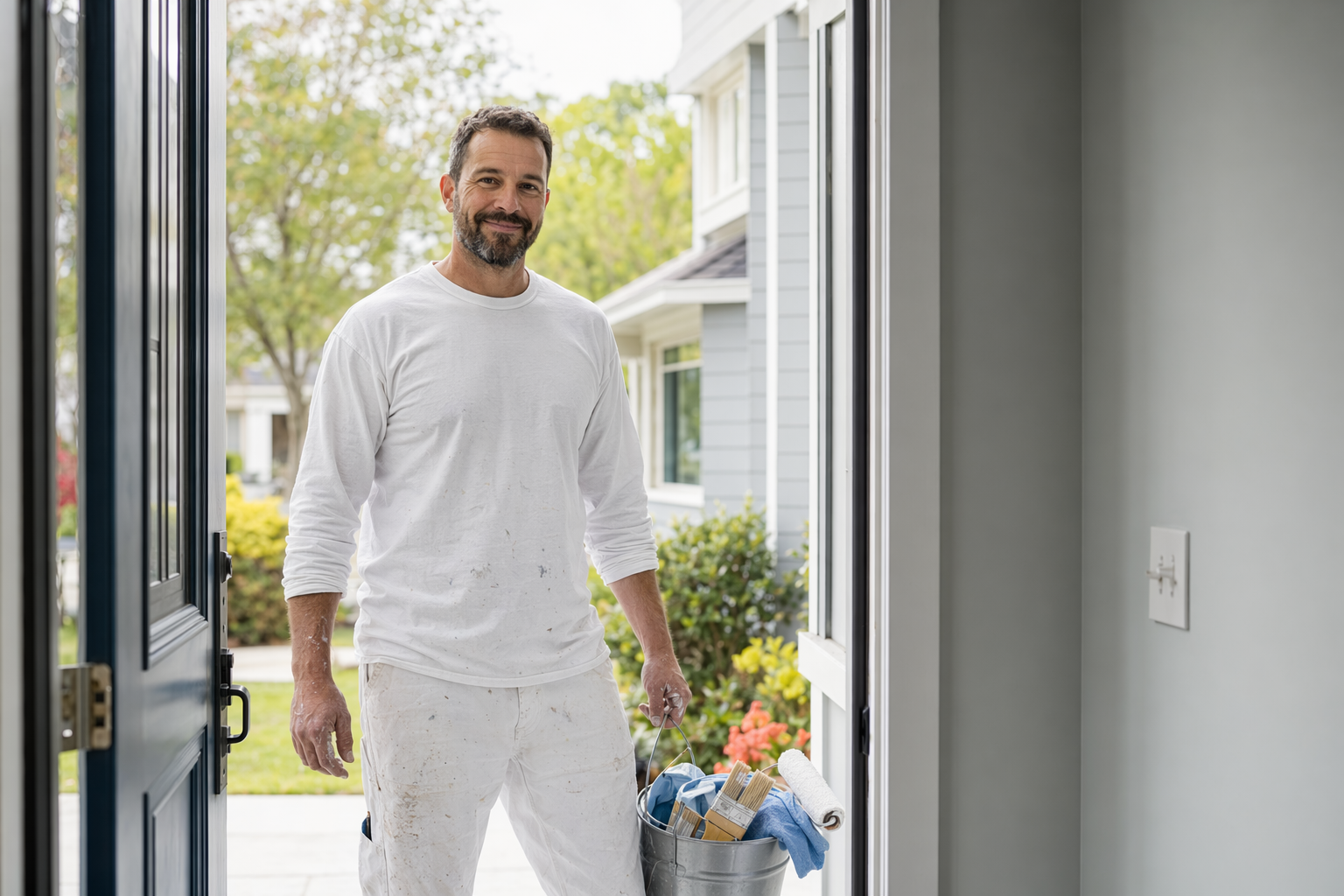
The best siding paint job starts with the right prep for your siding type, realistic weather timing, and a written quote from a licensed, insured exterior painter.
Common questions
Can vinyl siding be painted?
Often yes, but not every situation is a good candidate. Ask for a paint specifically approved for vinyl and confirm the color is vinyl-safe, since a much darker color can create heat-related problems.
How long does painted siding usually last?
It depends on the material, sun exposure, climate, prep quality, and paint grade. Well-prepped exterior siding can look good for years, but south- and west-facing walls often wear faster.
Is pressure washing always part of siding prep?
Cleaning usually is, but the method can vary. Some homes can be pressure washed carefully, while others may need a gentler wash to avoid forcing water behind the siding.
Do I need primer on all siding?
Not always. Many repaint jobs use spot primer on bare or repaired areas, while some surfaces or major color changes may need a fuller prime coat. Ask your painter to explain what is included.
How many quotes should I get for exterior siding painting?
Getting a few written quotes is smart so you can compare prep, paint, scope, and price. Make sure each quote covers the same surfaces and number of coats so the comparison is fair.
What should I ask if my home was built before 1978?
Ask how the painter follows lead-safe work practices during prep and cleanup, especially if old paint is peeling. That is an important safety question for older homes.