Guides
Lead-safe painting in older homes
If your home was built before 1978, paint may contain lead. This guide explains what lead-safe painting practices usually include, what to ask a painter, and how it can affect cost.
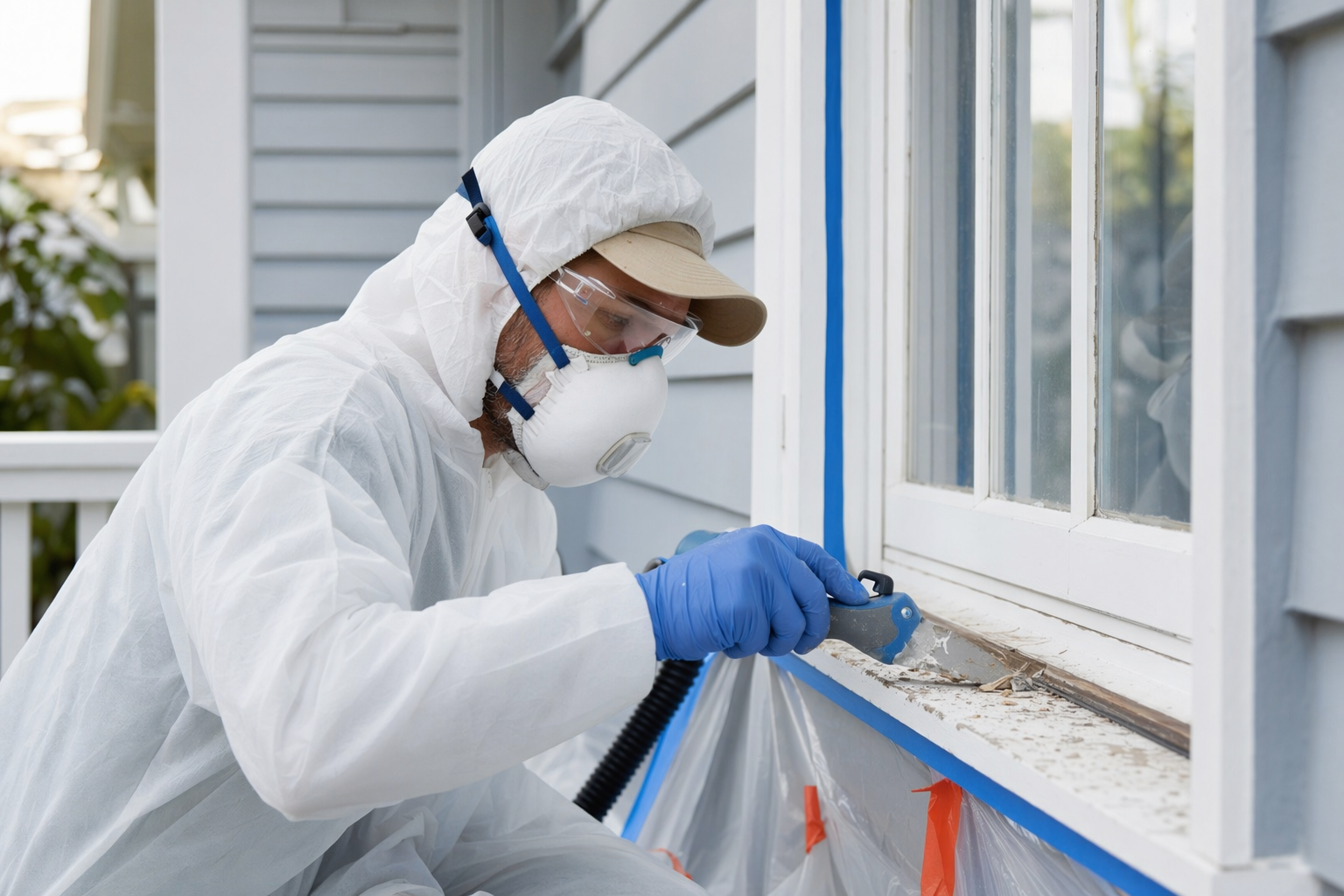
Answer first: what does “lead-safe painting” mean?
Lead-safe painting means the work is planned and controlled to reduce lead dust and chips, especially when surfaces are sanded, scraped, or disturbed.
It does not mean “no risk.” It means the painter uses safety steps like proper containment, careful methods, and clean-up—so lead from old paint doesn’t spread through your home.
Because lead rules can vary by location, your painter should follow local requirements and best practices. If you want the safest approach, ask for their lead-safe process before any work begins.

What to ask a painter (simple checklist you can use)
You can call or message with these questions. A good, licensed, insured painter should be able to explain their process clearly.
If you’re not sure what the answers mean, that’s okay—use them to compare contractors. Get the color, surfaces, prep steps, and price in writing before work starts.
Here are the most important questions to ask:
- “Is your crew licensed and insured for residential painting?”
- “What lead-safe steps will you follow for pre-1978 homes?”
- “How will you control dust (containment and work area setup)?”
- “How will you prevent tracking lead dust on floors/clothes (taping off, shoe covers, vacuum use)?”
- “What is your method for removing old paint—scraping, sanding, grinding—and how do you minimize dust?”
- “How do you clean up at the end, and what should I expect to see before you leave?”
- “Do you use HEPA-filter vacuums and wet methods where appropriate?”
- “How do you handle paint chips and debris—bagging and disposal?”
- “Will you protect floors, furniture, and vents/returns during prep?”
- “What work will you do inside the home vs. outside, and does it change your safety steps?”
Common lead-safe practices (what you might see on the job)
Many lead-safe approaches focus on controlling dust at the source and cleaning thoroughly. You may see the painter:
1) Sets up containment to keep the work area sealed off.
2) Uses methods designed to create less dust when disturbing paint.
3) Cleans as they go, not just at the end.
4) Uses HEPA-filter equipment for dust removal and final clean-up.
Even when a painter describes the steps, it’s still smart to walk the job site (or ask what stage it’s at) so you can see that the prep and cleanup match what you agreed to.
If your painter mentions optional testing (like dust testing) or follows a specific local protocol, ask how that fits the scope of work.
Cost context: will lead-safe work cost more?
Often, yes—lead-safe precautions can add time and materials. That can make total project cost higher than a “regular” paint job, especially if lots of prep is needed.
Typical cost ranges vary a lot by area and the scope (small room vs. full interior, trim and doors vs. just walls). As a rough guide, interior repaints for an average room commonly land in the ballpark of a few hundred dollars to a few thousand dollars, while larger interiors or many rooms can go higher. Exterior work can also range widely depending on siding condition, height/access, and prep.
If lead-safe setup and extra cleanup steps are required—like containment, specialized vacuums, more careful surface prep, and additional labor—your overall range can shift upward. The real number depends on your surfaces, the condition of the paint, the number of coats, whether woodwork/trim is included, and how much damage or flaking needs repair.
Red flags: signs you should pause and get more details
Lead-safe work isn’t the place to “guess.” If a contractor is vague or pushes you to sign quickly, you can protect yourself by asking for specifics in writing.
Watch out for these red flags:
- Vague pricing like “about $X” with no clear description of prep, coats, surfaces, and cleanup
- Large cash deposits up front or pressure to pay immediately before work starts
- “Today only” deals or heavy door-to-door pressure
- No proof of licensing and insurance
- They won’t explain how they control dust or clean up
- No written scope of work (what exactly will be done, and what materials are included)
- They suggest sanding/grinding aggressively without discussing dust control
- They refuse to answer questions about lead-safe practices for pre-1978 homes
How HuePort can help (and your role in staying in control)
HuePort is a FREE matching service. We don’t do the painting work, and we’re not a paint store or contractor ourselves. We connect you with licensed, insured painters near you based on your project details.
To get matched, you share contact info and your project intent (like interior or exterior, general surfaces, and your ZIP code), plus your preferred language. The service is free for you—participating painters pay a flat fee, and you keep full control.
No matter which painter you choose, you should:
1) Confirm the color and finish.
2) Review the exact scope: prep steps, number of coats, and cleanup.
3) Verify they include lead-safe steps if your home is pre-1978.
4) Get the color, paint type/brand, and price in writing before work starts.
5) Do a final walkthrough and confirm the work is done right before the final payment.
If you’re still deciding on color or finishes, explore color ideas and guidance and then compare project options. For budget planning, see painting cost basics. When you’re ready, you can start the match at get-matched.

If your home is pre-1978, ask your painter for a clear lead-safe plan for dust control and cleanup—then compare written scope and price with licensed, insured contractors.
Common questions
Is every home built before 1978 automatically dangerous to paint?
Lead paint can be present in many pre-1978 homes, but the risk depends on what surfaces are being disturbed, their condition (intact vs. peeling), and how the work is done. The safest approach is to assume lead could be an issue and ask for lead-safe practices.
Do I need lead testing before painting?
This is a common question, but the answer depends on your goals, local rules, and the condition of surfaces. A licensed, insured painter can explain what they recommend for the scope, and you can also ask your local authorities about any requirements.
What if my painter says “we’ll just be careful” instead of explaining a process?
“Be careful” is not a plan. Ask what containment, dust control, cleanup, and debris handling they will use. If they can’t explain their lead-safe steps clearly, get another quote.
Can I paint over peeling paint instead of removing it?
In many cases, peeling or flaking surfaces require proper prep and stabilization before painting—otherwise new paint won’t last. For pre-1978 homes, the prep method should also include dust-control steps appropriate for possible lead-containing paint.
Will lead-safe practices delay my project a lot?
They can add time, especially for setup, careful prep, and thorough cleanup. Exact timing varies by project size and what the surfaces require, so ask for an overall schedule in writing.