Quick answers
Do I really need primer?
Sometimes yes, sometimes no. Primer is not needed for every paint job, but it can save you money and frustration when the surface is stained, patched, glossy, bare, dark, or hard to cover.
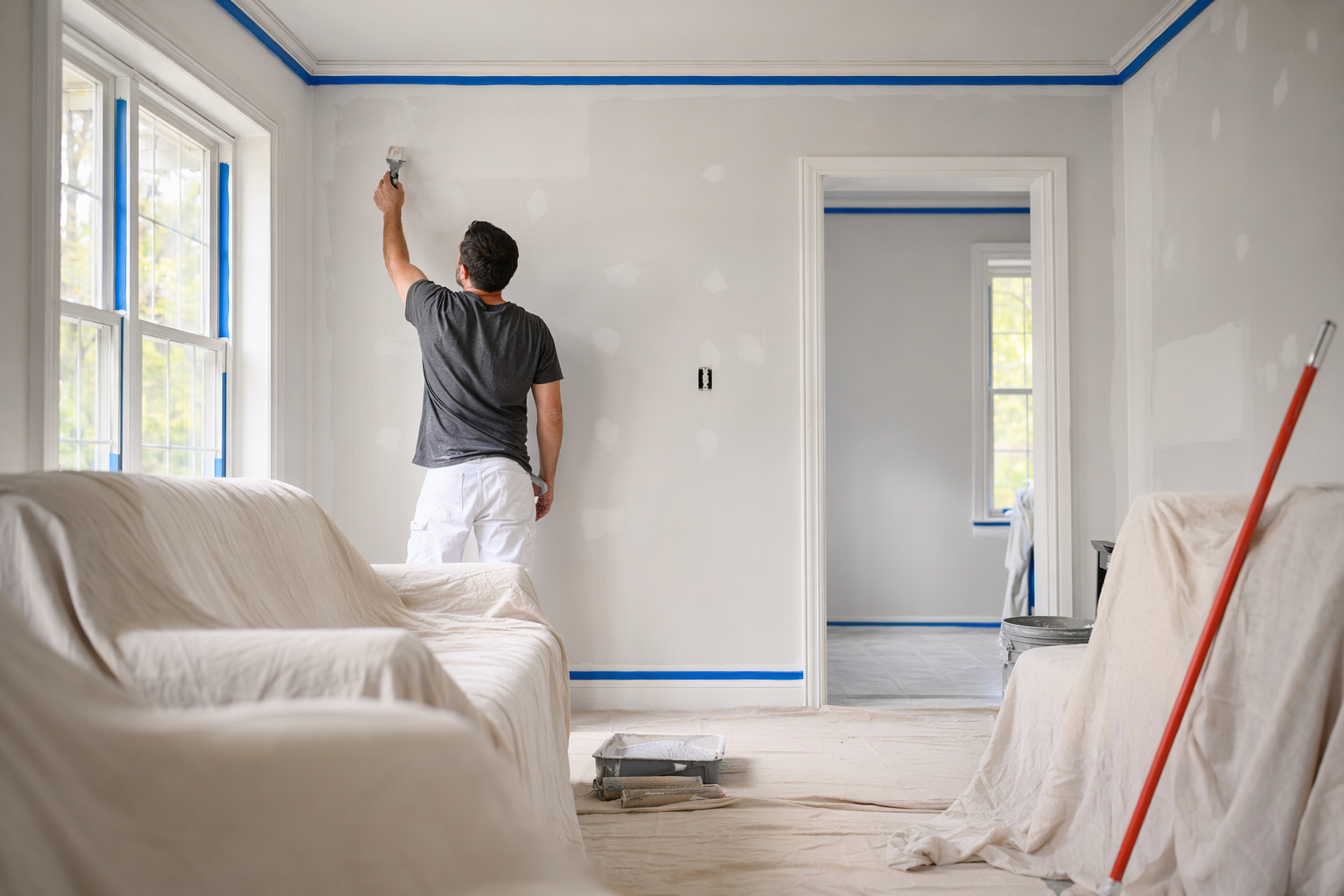
Short answer: primer matters when the surface needs help
If the wall or trim is clean, sound, already painted, and close in color to the new paint, you may not need a separate primer. Many modern paints can cover simple repaint jobs well.
But primer is still important in a lot of real homes. It helps paint stick, blocks stains, evens out porous spots, and can keep old colors from showing through. If you skip it when the surface really needs it, you may end up paying for extra coats, touch-ups, or early peeling.
A good painter should explain why they are recommending primer or why they think it is not necessary. Get that in writing with the scope, paint products, and number of coats before work starts.

When you usually do need primer
Primer is often worth it when the surface is bare, repaired, stained, glossy, or uneven. That includes new drywall, patched drywall, raw wood, cabinets, doors, trim, metal, masonry, and surfaces with water marks, smoke, tannins, grease, or marker stains.
It is also common when you are making a big color change. Going from a dark red wall to white, or from a bright color to a soft neutral, often needs a primer or a special undercoat to get even coverage without using too many finish coats.
Exterior projects also often need primer in exposed spots. Scraped wood, weathered trim, rust-prone metal, and repaired siding may all need a primer made for that surface and climate. Exact products depend on the surface and local conditions, so ask a licensed, insured painter what they plan to use and why.
For homes built before 1978, old paint may contain lead. If sanding, scraping, or disturbing old paint is part of the job, ask how the painter follows lead-safe work practices. That is a safety question to raise with the contractor, not advice from HuePort.
When you may not need a separate primer
You may be fine without a separate primer if you are repainting a wall that is already in good shape, with no stains, no peeling, no shiny finish, and no major repairs. In that case, a quality paint may be enough after proper cleaning and prep.
Some paints are sold as paint-and-primer-in-one. That can work for light-to-light repaints and simple refresh jobs, but it does not replace every kind of primer. It usually does not do the same job as a stain-blocking, bonding, metal, masonry, or wood primer when the surface has a real problem.
Think of it this way: 'paint and primer in one' can be enough for some easy repaints, but it is not magic. If the surface is challenging, the prep and the right primer still matter more than the label.
What primer helps with in real life
Primer does a few jobs that finish paint often does poorly on its own. It can seal porous surfaces so the final paint dries more evenly. It can improve adhesion on slick or glossy areas. It can block stains so they do not bleed through later.
It can also help your topcoat look more even. Patchy drywall repairs, filler spots, and raw wood can absorb paint differently than the surrounding surface. Without primer, those areas may flash, look dull, or show through after the paint dries.
This is why cheap-looking paint jobs are not always about the paint brand. Often the problem is skipped prep: not cleaning, not sanding where needed, not priming repairs, or not using the right product for cabinets, trim, or exterior surfaces.
Cost: primer can add cost, but skipping it can cost more
A separate primer coat can increase labor and material cost, but it is sometimes the cheaper choice overall. If primer helps avoid two extra finish coats or early failure, it may save money.
For a simple interior room repaint, needing primer might add roughly $100 to $300 to a small job, or more if there are stains, lots of patching, high walls, or detailed trim. For cabinets, trim, doors, and exteriors, the added cost can be higher because prep takes longer and the products are more specialized.
On larger projects, primer may be included only in repaired or bare areas, or as a full coat if the color change is dramatic. Real prices vary by surface, prep, number of coats, paint grade, access or height, and your area. These are not quotes.
If you are comparing estimates, ask whether the painter included spot priming only, a full primer coat, stain-blocking primer, or no primer at all. That one line item can explain why one quote is much lower than another.
How to avoid being overcharged or sold the wrong thing
Primer can be used honestly, or it can be used as a vague upsell. The key is to ask clear questions and compare a few quotes. HuePort is a free matching service, not a painting company, and we do not perform painting work. We can help you connect with licensed, insured painters near you through get matched.
Watch for red flags: vague pricing, large cash deposits up front, door-to-door 'today only' deals, no license or insurance, or pressure to sign on the spot. A trustworthy painter should be willing to say what is being primed, why it is needed, what product type they plan to use, and how many coats are included.
Use this checklist when you talk to painters:
- Ask which surfaces need primer and why.
- Ask if they are spot priming repairs or applying a full primer coat.
- Ask what finish coats are included after the primer.
- Ask if stain blocking or bonding primer is needed.
- Verify license and insurance.
- Get the color, paint, scope, and price in writing before work begins.
- Compare a few quotes, not just one.
If you want more help understanding quotes and project planning, start with help or browse more guides. If you are still choosing a color, our colors pages can help you narrow it down before you talk to painters.

You do not always need primer, but when the surface is bare, patched, stained, glossy, or hard to cover, skipping it can lead to a worse and more expensive paint job.
Common questions
Can I paint over old paint without primer?
Often yes, if the old paint is clean, sound, dull enough for good adhesion, and close in color to the new paint. If it is glossy, stained, peeling, patched, or very dark, primer is often the better choice.
Is paint and primer in one enough?
Sometimes for simple repainting, yes. But it usually does not replace a true stain-blocking, bonding, metal, wood, or masonry primer when the surface has a specific problem.
Do patched walls need primer?
Usually yes. Drywall patches and filler can absorb paint differently and show a dull or uneven look if they are not primed first.
Do cabinets and trim need primer?
Very often, yes. Cabinets and trim are commonly glossy, greasy, or worn, so proper cleaning, sanding where needed, and the right primer can make a big difference in adhesion and durability.
Does primer always mean a better paint job?
Not by itself. The result depends on the full system: cleaning, repairs, sanding where needed, the right primer for the surface, quality paint, and careful application.
How can HuePort help me?
HuePort is free for homeowners. We are not a painting company or contractor, but we can help you get connected with licensed, insured painters near you after collecting basic contact and project details like your name, phone, ZIP, project type, preferred language, and optional notes.