Quick answers
How much paint do I need for my project?
Start with the size of the area, then add extra for coats, touch-ups, and waste. If you want, HuePort can help you get connected with licensed, insured painters near you for a free estimate.
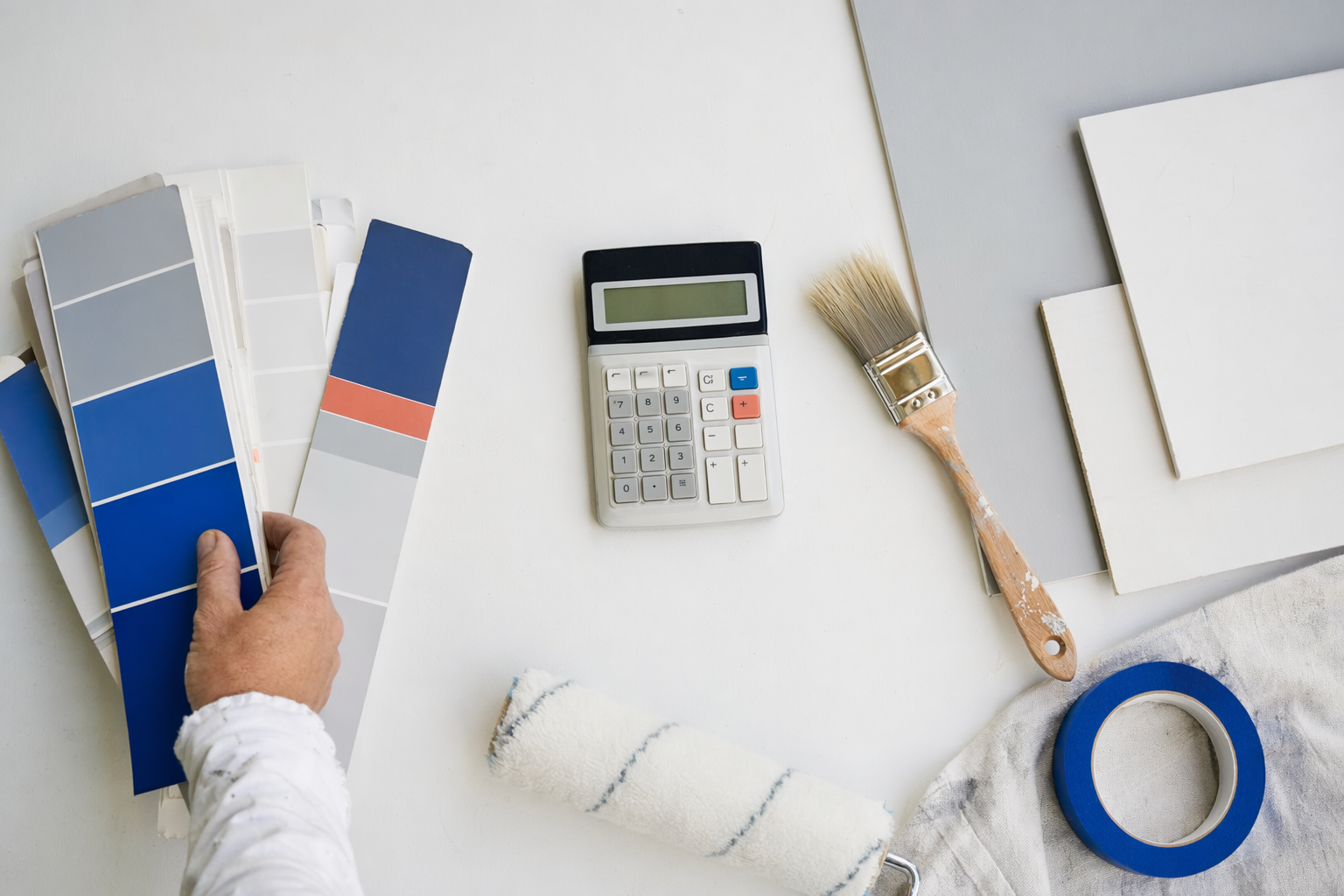
The short answer
A good rule of thumb is to measure the square footage of the surface you want to paint and plan for enough paint to cover it twice if needed. Most projects need more paint than people expect because rough surfaces, dark-to-light color changes, primer, and a second coat all use extra.
HuePort is a free matching service, not a painting company or paint store. We do not sell paint or do the work, but we can help you connect with licensed, insured painters who can confirm the right amount for your exact project.
If you are unsure, it is safer to buy a little extra than to run short. Unused sealed paint can often be kept for touch-ups, but the exact storage life depends on the product and conditions.

A simple way to estimate paint
- Measure the length and height of each wall, then multiply to get square feet.
- Subtract large openings like doors and windows if you want a closer estimate.
- Check the label on the paint can for coverage per gallon.
- Divide your total square footage by the coverage number.
- Add extra for a second coat, trim, texture, or waste.
A common coverage range is about 350 to 400 square feet per gallon on smooth, well-prepped surfaces, but real coverage changes a lot. Textured walls, porous surfaces, dark colors, and certain finishes may need more paint. Ceilings, cabinets, siding, and trim often use different products and different amounts.
What makes the amount change
The biggest factors are the surface, the prep, the number of coats, and the paint type. A small bedroom with smooth drywall may need much less than kitchen cabinets, stucco, brick, or exterior siding.
Prep matters too. If walls are patched, stained, sanded, or very porous, they may absorb more paint. A big color change, especially from dark to light, often means primer plus two finish coats.
Access and height can also affect the plan for exterior work. Paint on ladders, high trim, or detailed surfaces usually takes more time and more careful coverage. Costs vary by area, and paint needs vary by project, so any estimate is only a rough range, not a quote.
Cost context and when to get quotes
Paint cost is usually only part of the job. If a painter is supplying materials, the price can change based on paint grade, primer, prep, surface repair, coat count, and the size of the area. For small jobs, the material cost may be modest; for larger interiors or exteriors, materials can add up quickly.
Typical project totals can vary widely by region and scope, so it is smart to compare a few written quotes. Ask for the exact paint brand or product line, how many coats are included, whether primer is included, and what prep work is covered. That helps you compare apples to apples.
If a price sounds far lower than the others, be careful. Red flags include vague pricing, a large cash deposit up front, pressure to sign on the spot, door-to-door "today only" deals, or a painter who will not show license and insurance information. Get the color, paint, scope, and price in writing before work starts.
Special note for older homes and safety
If your home was built before 1978, painted surfaces may contain lead. That does not mean you should panic, but it does mean you should ask any painter how they follow lead-safe work practices. This is a safety point, not legal advice.
For older homes, a licensed, insured painter should be able to explain how they handle prep, dust control, cleanup, and containment for the work area. If you are hiring help, make sure you verify their license and insurance and keep the scope clear in writing.
Remember: you stay in control. You choose who to hire, confirm the color and price before work starts, and check the work before paying the final amount.
How HuePort can help
If you are still trying to figure out how much paint your project needs, you can start with a simple project plan and get matched with local painters who can look at the surface and give a more accurate estimate. Use Get Matched to share basic contact and project details only — like your name, phone, optional email, project type, interior or exterior, ZIP, preferred language, and any notes.
You can also browse Guides for more plain-language help, or visit Help if you want to understand how HuePort works. If you are choosing a color and finish, our Colors page can make that part easier and less stressful.
Because HuePort is free for homeowners, there is no charge to ask for a match. The painters who participate pay a flat fee; you do not pay a fee to use HuePort.

Measure the space, plan for extra coats and waste, and get a written estimate from a licensed, insured painter if you want a more exact paint amount.
Common questions
How many gallons of paint do I need for one room?
It depends on the room size, wall height, surface condition, and how many coats you need. A painter can usually estimate it after measuring the walls, but a smooth bedroom often takes less than a rough or heavily patched room.
Should I buy extra paint?
Yes, usually a little extra is smart for touch-ups and small mistakes. Keep the can labeled and sealed if you plan to save it, but exact storage life varies by product and conditions.
Do I need primer too?
Not always, but many projects do. Primer is often helpful for new drywall, stains, big color changes, patched areas, or surfaces that absorb paint unevenly.
Can HuePort tell me exactly how much paint to buy?
HuePort is a free matching service, not a paint store or painting company, so we do not calculate or sell paint. We can help connect you with licensed, insured painters who can estimate the amount for your specific project.