Interior
Painting a bathroom
Painting a bathroom is not hard to plan, but humid air changes the rules. The right prep, color, and moisture-resistant finish can help your walls look clean longer and resist peeling or mildew.
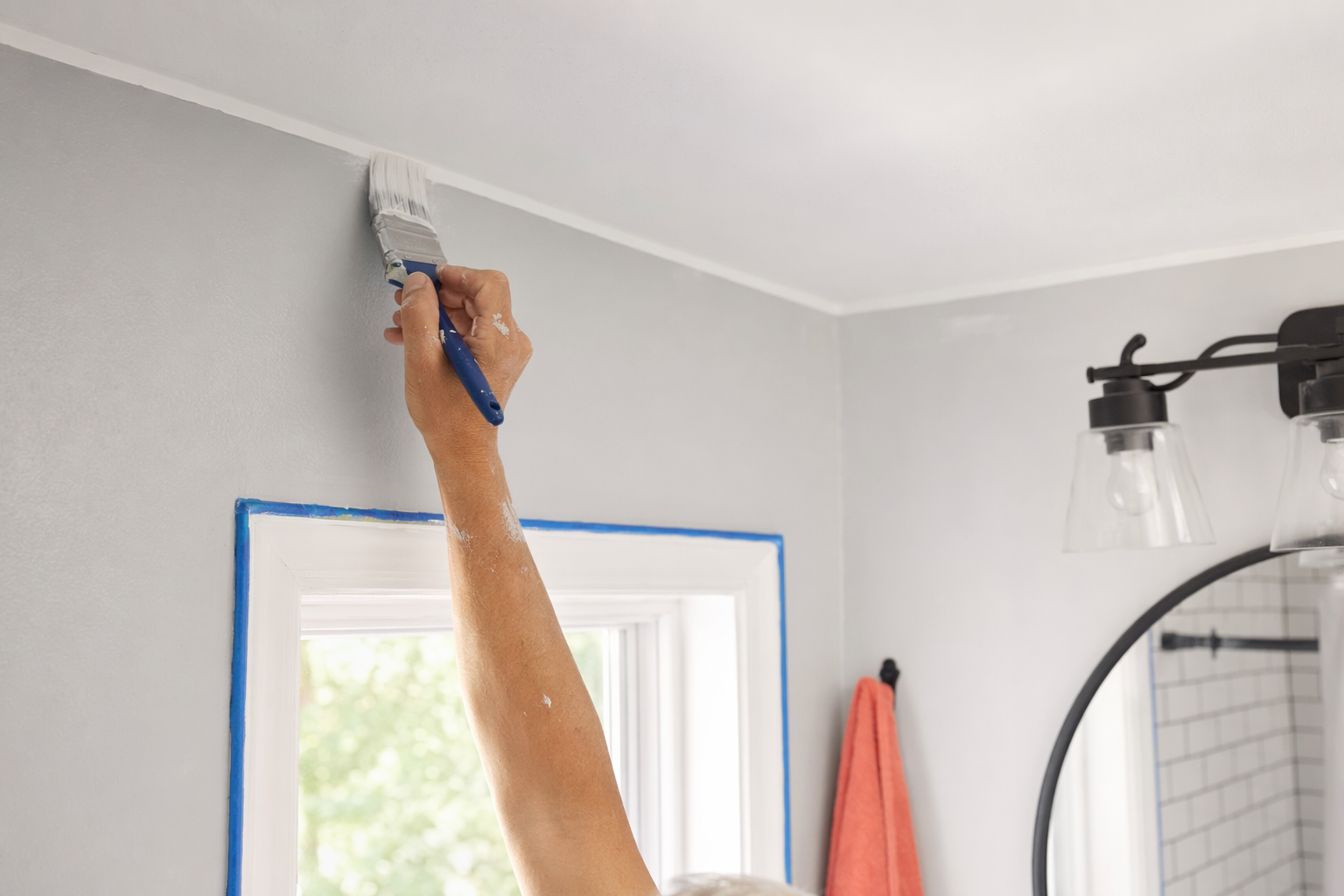
What is different about painting a bathroom?
Bathrooms deal with steam, splashes, soap, and frequent cleaning. That means paint in this room needs more than just a pretty color. It should also handle moisture well and be easy to wipe down.
A bathroom paint job often includes walls, ceiling, trim, vanity area, and sometimes cabinets. Small bathrooms may look simple, but they can take careful work because there are many edges around mirrors, toilets, sinks, lights, tile, and vents.
Good prep matters more here than in many other rooms. If old paint is peeling, the fan does not vent well, or mildew keeps coming back, a fresh coat alone will not fully solve the problem. A licensed, insured painter can help you understand what prep is needed before painting starts.

Best bathroom colors and finishes
Bathrooms can look great in soft whites, warm greiges, pale blues, muted greens, sandy neutrals, or deep moody colors if the lighting is good. In a small bathroom, lighter colors often make the room feel more open. In a larger bathroom or powder room, darker colors can feel rich and stylish.
Finish matters just as much as color. In most bathrooms, many homeowners choose satin or semi-gloss for trim, and often eggshell or satin for walls if the product is made for bathrooms or higher-moisture spaces. Ceilings are often done in a bathroom-rated flat or low-sheen finish to reduce glare while still helping resist moisture better than a basic ceiling paint.
A shinier finish is usually easier to wipe clean, but it can also show wall flaws more clearly. If your walls have patches, texture issues, or uneven areas, a painter may recommend a lower sheen product that still offers washability. You can explore ideas on our colors page and compare other interior spaces too.
If you are choosing between two colors, test them in the real bathroom light. Morning light, warm vanity bulbs, and no-window bathrooms can all change how a color looks.
Prep work that helps paint last in a humid room
Bathroom prep usually starts with cleaning. Hair spray, soap film, dust, and oils can stop paint from sticking well. Surfaces may need washing, light sanding, patching, caulking at gaps, stain-blocking primer in spots, and time to dry fully before painting.
If there is mildew or repeated moisture damage, ask the painter what prep is included and whether the room has an airflow problem. General painting information is helpful, but a licensed painter should inspect the room and explain what they can address and what may need other repairs first.
For homes built before 1978, old paint may contain lead. If sanding or scraping could be involved, ask how the painter follows lead-safe work practices. That is an important safety question, especially in older homes.
Before work begins, get the scope in writing so you know whether the quote includes:
- cleaning and degreasing
- patching holes or cracks
- sanding peeling areas
- caulking trim gaps
- primer, if needed
- walls only, or walls plus ceiling and trim
- protection for floors, vanity, toilet, and fixtures
How many coats does a bathroom usually need?
Many bathroom projects need two finish coats for even color and better durability. If you are making a big color change, covering stains, painting over patch repairs, or working with a deep or very light color, primer and extra coverage may be needed.
One coat may be enough only in limited situations, such as a very similar repaint with sound surfaces and a quality product. In real homes, most people should expect prep plus two coats to get a more even, longer-lasting result.
Ceilings sometimes need special attention because steam can reveal old stains or peeling areas. Trim, doors, and cabinets in or near the bathroom may also need a different product than the walls.
What does it cost to paint a bathroom?
A small to average bathroom often falls around $250 to $900 for straightforward wall painting, while a larger bathroom or a project including ceiling, trim, door, or vanity area may run about $600 to $1,800 or more. If there is peeling paint, mildew-related prep, difficult cut-in work, repairs, or cabinet painting, the price can go higher.
These are general US ranges, not quotes. The real number depends on the room size, the surface condition, the amount of prep, the number of coats, the paint grade, who is moving or protecting fixtures, and labor costs in your area. High ceilings, detailed trim, older surfaces, and tight spaces around tile or built-ins can also raise the cost.
If you want a broader sense of pricing, visit our costs page. A good estimate should say clearly what is being painted, what prep is included, the paint and finish to be used, how many coats are planned, and the total price.
How to hire a painter without getting overcharged
Bathroom jobs are small enough that some homeowners get rushed into vague pricing. Be careful with door-to-door offers, "today only" deals, large cash deposits up front, or anyone who will not show license and insurance information when required in your area. Get the color, paint, scope, and price in writing first, and compare a few quotes.
Ask simple questions: Who protects the floor and fixtures? Is primer included? Are walls, ceiling, trim, and door priced separately? What finish is planned for each surface? When you compare written quotes, it becomes easier to spot missing prep or surprise charges.
HuePort is a free matching service, not a painting company, contractor, or paint store. We do not do the painting work. We help connect homeowners with licensed, insured painters near them so you can compare options and choose who to hire.
To get started, use get matched. We only collect basic contact and project details such as your name, phone, optional email, project type, ZIP code, preferred language, and notes. The homeowner stays in control: you confirm the color and price before work starts, choose the painter, and confirm the work is done right before paying the final amount.
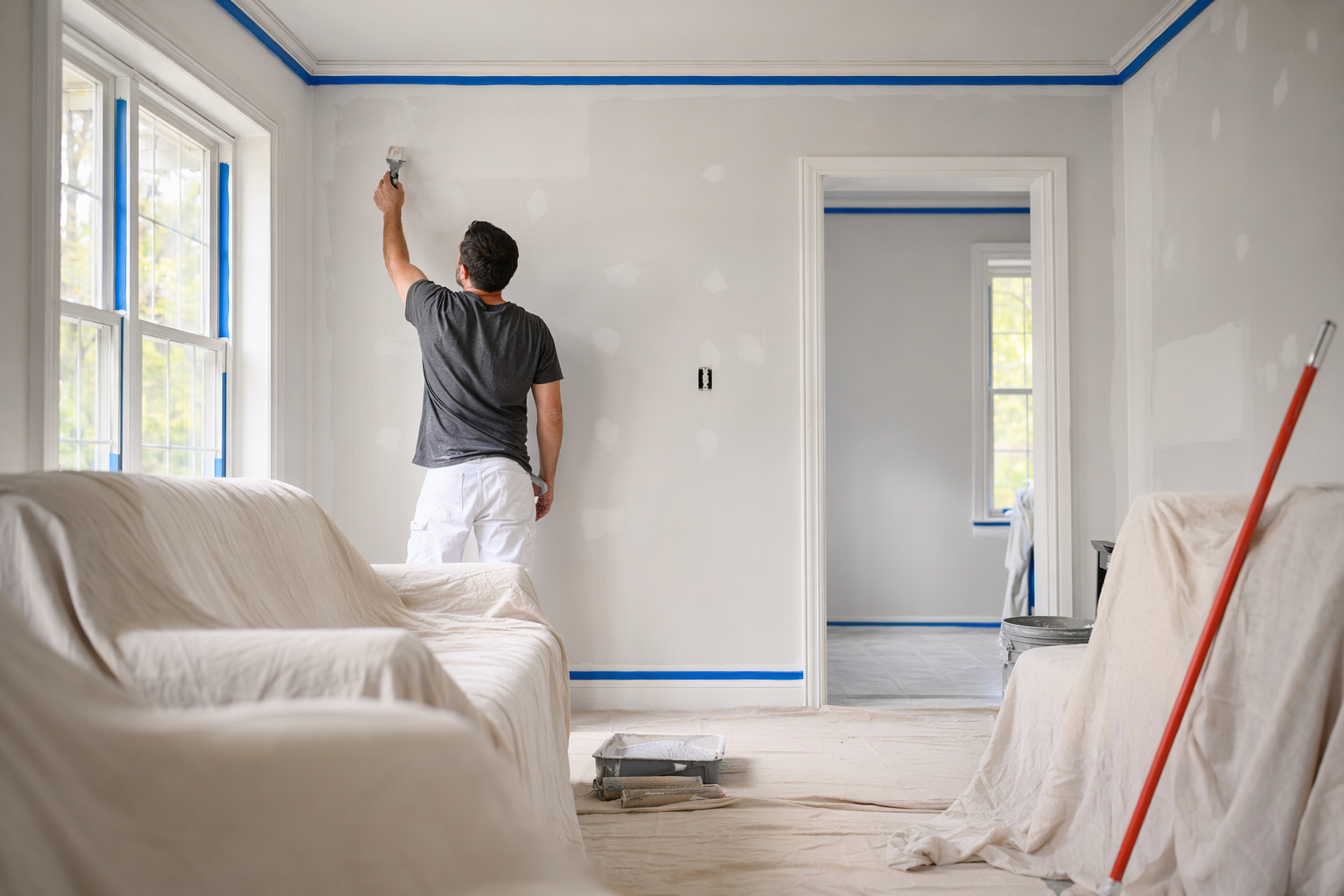
A bathroom paint job looks better and lasts longer when you use moisture-friendly products, solid prep, and a clear written quote.
Common questions
What finish is best for bathroom walls?
Many homeowners use eggshell or satin on bathroom walls, especially with a product made for moisture-prone rooms. The best choice depends on how humid the room gets, how often you clean the walls, and how smooth the surface is.
Do bathrooms need special paint?
Bathrooms often do better with paint designed for washability and moisture resistance. A licensed painter can help you compare products and explain what fits your room.
Can I paint over mildew in a bathroom?
Do not assume paint alone will fix it. Ask the painter what cleaning and prep are included and whether there may be an airflow or moisture issue causing it to return.
How long does it take to paint a bathroom?
A simple bathroom may be painted in a day, but prep, drying time, repairs, or added surfaces like trim and ceiling can make it longer. Exact timing depends on the room and the scope.
Should I paint the bathroom ceiling too?
Often yes, especially if the ceiling shows stains, peeling, or color mismatch. Bathrooms usually benefit from a ceiling product suited to humid conditions.
How do I find a bathroom painter near me?
HuePort can help you get matched with licensed, insured painters near you. It is free for the homeowner, and you can compare quotes before choosing who to hire.