Interior
Painting a bedroom
Painting a bedroom can be a quick refresh or part of a bigger update. Here’s how to choose a calm color, pick a practical finish, understand prep and cost, and get matched free with licensed painters near you.
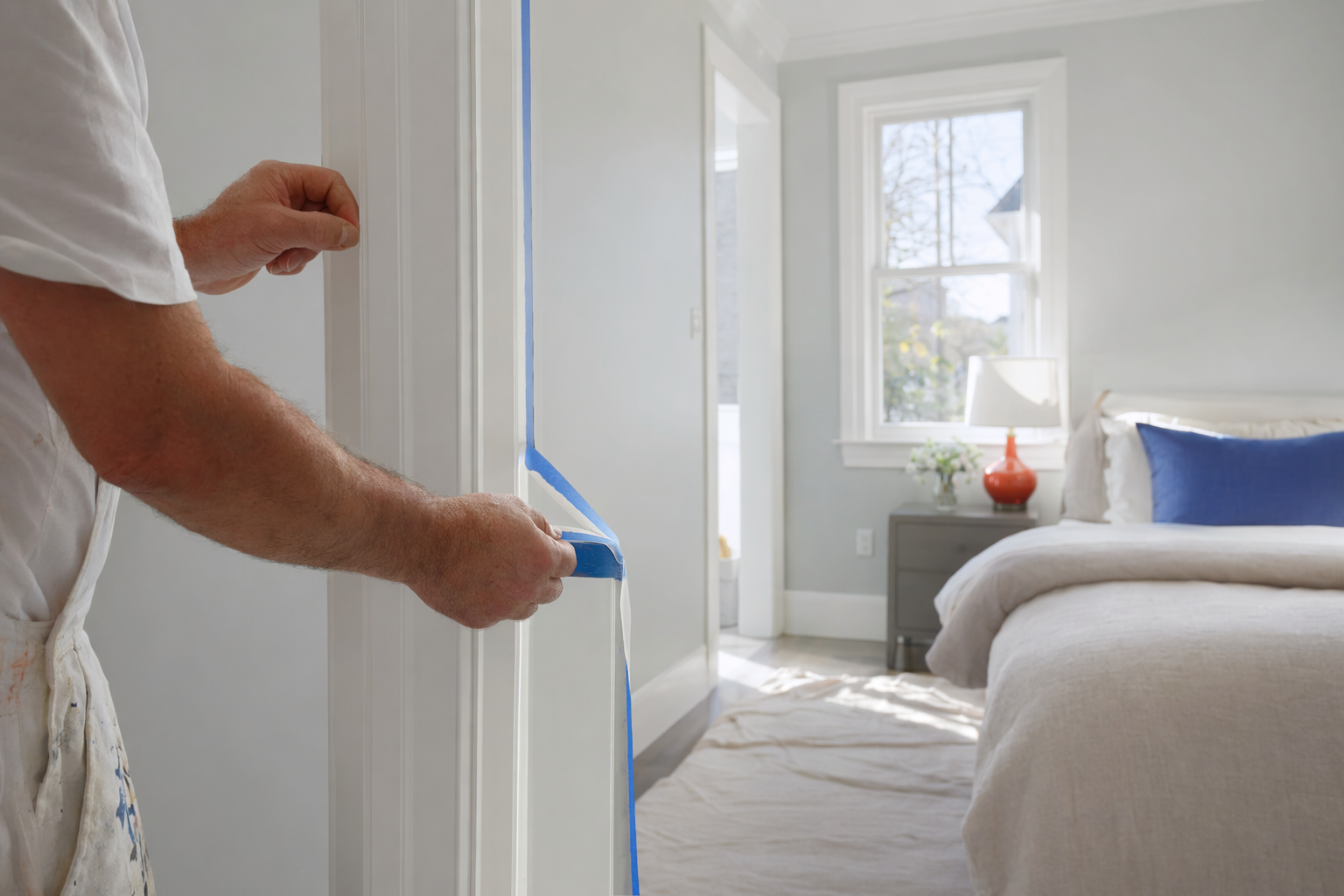
What’s involved in painting a bedroom
A bedroom is usually one of the more straightforward interior rooms to paint, but the details still matter. You may be painting just the walls, or also the ceiling, trim, doors, closets, baseboards, and window casings. The final price and timeline depend a lot on what is included.
Good bedroom painting is not just rolling color on the wall. A licensed, insured painter will usually protect floors and furniture, remove or loosen switch plates, patch small nail holes and light dents, sand rough spots, caulk gaps where needed, prime repaired areas, and then apply the finish coats. If the walls have heavy stains, dark colors, peeling paint, or texture issues, prep can take longer.
Bedrooms also tend to show small wall damage from pictures, shelves, and moved furniture. That is normal, but it can add labor. If the room is in an older home built before 1978, ask how the painter follows lead-safe work practices if old paint may be disturbed. That is an important safety question.
If you’re still deciding what kind of interior project you want to do, our interior painting guide can help you compare rooms and surfaces.

How to choose a bedroom color that feels restful
Bedrooms usually feel best when the color supports rest, not stress. Soft whites, warm off-whites, gentle grays, muted greens, blue-grays, and sandy neutrals are common choices because they feel calm in both daylight and lamplight. If you like deeper color, earthy green, navy, charcoal, or mauve can look rich and cozy, especially in larger rooms with enough light.
Before picking a color, think about how the room is used. A primary bedroom often looks best in quieter, softer shades. A child’s room, guest room, or small apartment bedroom may be a better place to try a little more personality. Also think about bedding, flooring, curtains, and wood tones. A bedroom color does not need to match everything exactly, but it should feel good with what is already in the room.
Light changes color more than many people expect. North-facing rooms can feel cooler, while south-facing rooms often look warmer and brighter. Paint sample areas on more than one wall and check them in morning, afternoon, and evening light. That simple step can prevent expensive regret.
If you want help narrowing down tones, visit color ideas and guides.
Best finish for bedroom walls, trim, and ceiling
For most bedroom walls, eggshell or satin is a practical choice. Eggshell has a soft, low-shine look that hides minor wall imperfections better than glossier paint, while still being easier to wipe than flat paint. Satin is a little more washable and slightly shinier, so some homeowners choose it for kids’ rooms or rooms where the walls get touched more often.
Flat or matte can also work well in adult bedrooms if you want a very soft look and the walls are in good shape. It tends to hide patches and surface flaws better, but it is usually less washable than eggshell or satin. For trim, doors, and baseboards, many painters use satin, semi-gloss, or another trim-specific finish because it holds up better and is easier to clean. Ceilings are often painted flat to reduce glare and help hide uneven areas.
If smell is a concern, ask about low-odor, low-VOC interior paint options. Many homeowners prefer them for bedrooms, especially if children, older adults, or people with sensitivities use the room. Product availability depends on the painter, the paint line, and your area.
The right finish depends on the condition of the surface, the look you want, and how washable you need it to be. A good painter can explain the tradeoffs before work starts.
Prep, primer, and how many coats to expect
Most bedroom repainting jobs need some prep before the finish paint goes on. That often includes moving or covering furniture, protecting floors, cleaning dusty areas, filling small holes, sanding repaired spots, and spot-priming patches. If you are changing from a dark color to a much lighter one, or covering stains, fresh repairs, or uneven old paint, primer may be needed on larger areas.
A common bedroom repaint is one primer step where needed plus two finish coats. In some cases, one finish coat over a similar existing color may be enough, but many painters plan on two coats for a more even, durable result. Deep colors, bright whites, and major color changes often need more attention to coverage.
Texture, old damage, peeling, water marks, smoke staining, and glossy existing paint can all add work. So can painting closets, trim, or doors at the same time. That is why two bedrooms of the same size may have very different prices.
Ask the painter to put the scope in writing: what surfaces are included, what prep is included, what paint line is being used, and how many coats are planned. That helps you compare quotes fairly.
What it typically costs to paint a bedroom
For a standard bedroom in the US, a basic professional repaint of walls can often fall around $350 to $900. If you include the ceiling, trim, doors, closet areas, more repairs, premium paint, or a larger primary bedroom, the total can be more like $700 to $1,800 or higher in some areas. These are general ranges, not quotes.
The real number depends on the room size, wall height, surface condition, the amount of prep, how many coats are needed, whether trim and ceilings are included, the paint grade, and labor rates in your ZIP code. Costs also vary by region, building access, and whether the room is empty or full of furniture.
Be careful with pricing that is unusually low or unclear. Common red flags include vague pricing, large cash deposits up front, door-to-door “today only” offers, no proof of license or insurance, or pressure to sign right away. Get the color, paint, scope, and price in writing first, and compare a few quotes before choosing.
You can read more about painting price factors at cost guides.
How HuePort helps you get matched with a painter
HuePort is a free matching service for homeowners and renters. We are not a painting company, licensed contractor, or paint store, and we do not perform painting work. We help you connect with licensed, insured painting contractors near you so you can compare options.
To get matched, you share basic project details only: your name, phone number, optional email, project type, whether it is interior or exterior, ZIP code, preferred language, and optional notes. We do not ask for financial account numbers, Social Security numbers, income, or sensitive personal records.
Once you speak with painters, you stay in control. You can ask about their license and insurance, talk through colors and finishes, confirm what prep and coats are included, and decide who to hire. Before work starts, make sure the color, paint, scope, and price are written down clearly. Before final payment, confirm the work looks right to you.
If you're ready, you can get matched here.
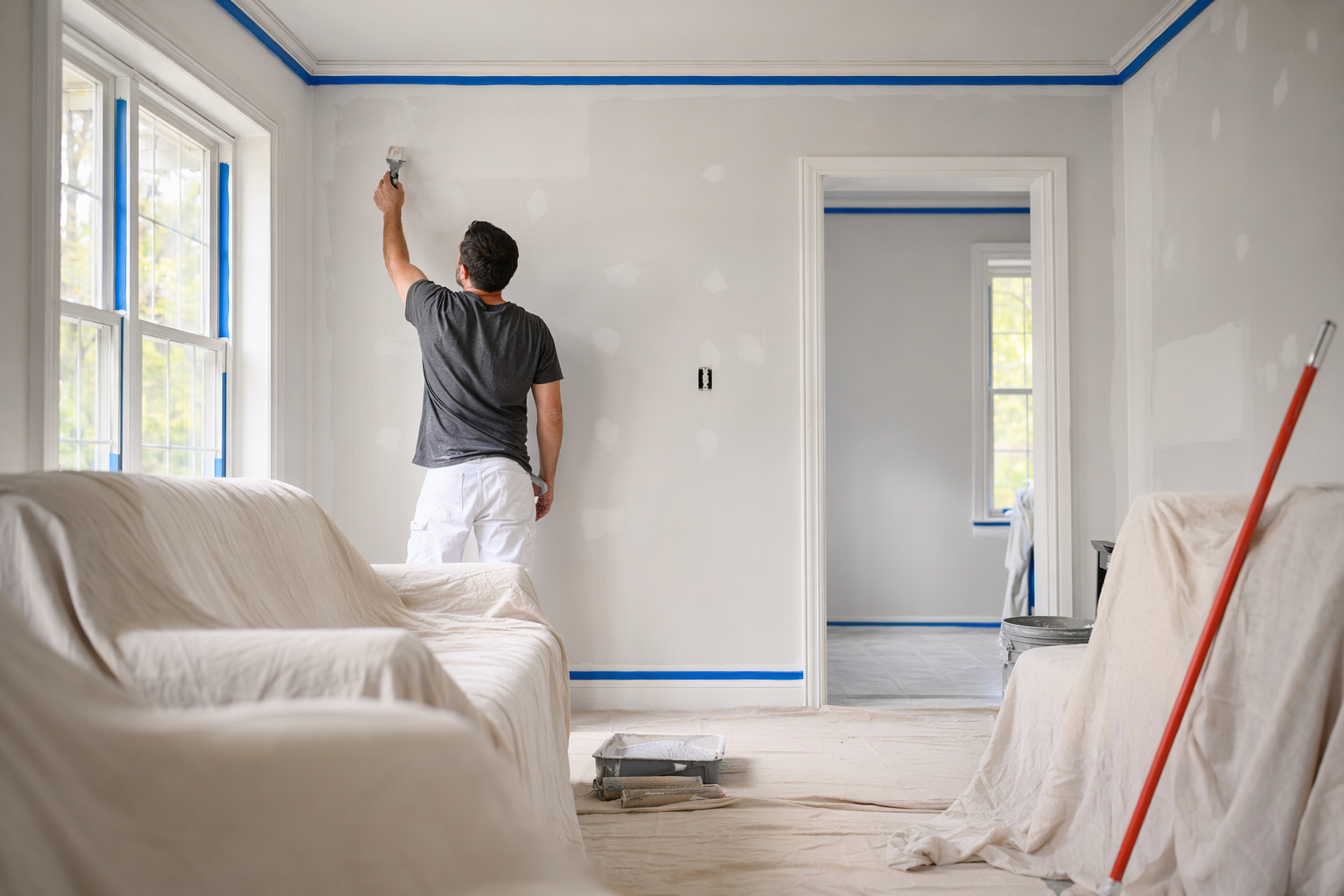
A bedroom paint job is usually simple, but the color, finish, prep, and written price details make a big difference.
Common questions
What is the best paint finish for a bedroom?
For most bedroom walls, eggshell is a popular middle-ground choice because it has a soft look and is easier to clean than flat paint. Satin can work well for kids’ rooms or higher-touch spaces, while flat is often used on ceilings.
How long does it take to paint one bedroom?
A simple bedroom may take about one day, but more prep, repairs, trim work, closets, drying time, and extra coats can stretch it longer. The real timeline depends on the room condition, scope, and painter schedule.
How much does it cost to paint a bedroom?
Many standard bedroom repaints fall roughly in the $350 to $900 range for walls, while more complete jobs with ceiling, trim, doors, repairs, or premium paint can run $700 to $1,800 or more. Those are general ranges, not quotes.
Do bedrooms usually need two coats of paint?
Often, yes. Two finish coats are common for even color and better durability, especially when covering patches, making a noticeable color change, or using difficult colors like bright white or deep shades.
Can HuePort paint my bedroom for me?
No. HuePort is a free matching service, not a painting company or contractor. We help connect you with licensed, insured painters near you so you can compare and choose.
What if my home was built before 1978?
Older paint may contain lead. If paint will be scraped, sanded, or otherwise disturbed, ask the painter how they follow lead-safe work practices. That is an important safety step.