Interior
Painting trim and baseboards
Painting trim and baseboards can make a room look cleaner, brighter, and more finished. The work looks simple, but sharp lines, smooth prep, and durable paint are what make trim hold up.
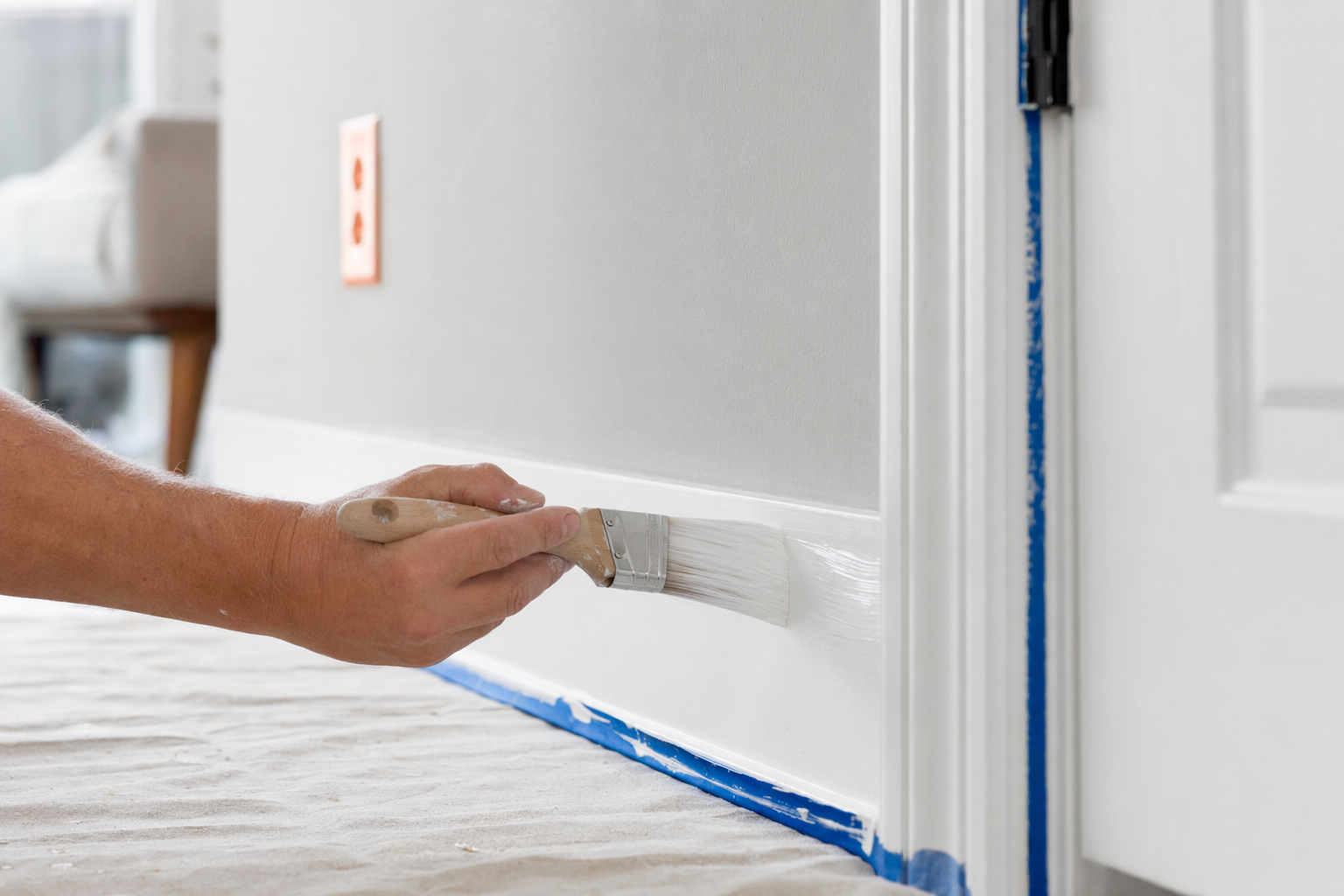
Why trim and baseboards matter
Trim is the outline of a room. Baseboards, door casings, window trim, crown molding, and other painted woodwork help walls, floors, and doors look intentional instead of unfinished.
Because trim sits low, gets bumped, and collects dust, shoes, vacuum marks, and handprints, it usually needs a tougher paint and more careful prep than walls. Small flaws show up fast on glossy surfaces, so the quality of the sanding, patching, caulking, and brushwork matters.
If your trim is yellowing, chipped, cracked, or painted with many old layers, it may take more work than homeowners expect. That extra prep is often what adds cost to a quote, not just the paint itself.

Best colors for trim
White is still the most common trim color in US homes because it works with many wall colors and makes rooms feel crisp. But there is no rule that says trim must be bright white. Soft white, warm white, cream, greige, light gray, or even a color-matched trim can look beautiful depending on the room.
A simple way to choose is to look at the wall color undertone. Cool walls often look better with cooler whites. Warm walls usually pair better with warmer whites or off-whites. If floors are very warm, a stark blue-white trim can look harsh.
If you want a quieter, modern look, painting trim the same color family as the walls can reduce contrast and make a room feel calmer. If you want definition, choose a trim color that is lighter or brighter than the wall. You can explore ideas on our colors page.
Before painting the whole room, test the trim color next to your wall, flooring, and natural light. Trim paint can look very different in daylight versus lamp light.
What finish works best on trim and baseboards
For most trim and baseboards, painters commonly use satin, semi-gloss, or gloss. These finishes are more washable and more durable than flat paint, which is why they are popular for areas that get touched and cleaned often.
Semi-gloss is a common choice because it gives a clean, wipeable surface without being too shiny for most homes. Satin can work well if you want a softer look and your trim has small flaws you do not want to highlight. High gloss is very durable, but it shows dents, brush marks, uneven caulk lines, and sanding mistakes more clearly.
There is no one perfect finish for every home. The best option depends on the condition of the trim, the look you want, and how much wear the area gets. Kitchens, entryways, mudrooms, and homes with kids or pets often benefit from a more washable finish.
If you are also painting walls, ceilings, or doors, it helps to think about the whole room together. Our interior painting guide can help you compare surfaces.
Prep work and how painters get clean lines
Good trim painting is mostly prep. Painters usually start by cleaning the trim, removing dust and grease, filling nail holes or dents, sanding rough spots, and caulking small gaps where needed. They may also scrape loose or peeling paint before priming.
If the old paint is glossy, stained, damaged, or changing from a dark color to a light one, a primer may be needed for adhesion and coverage. Raw wood repairs also usually need primer. On older trim with many layers of paint, the surface may need more sanding and patching to look smooth.
Clean lines usually come from steady cutting-in, careful masking where appropriate, dry time between coats, and protecting floors. Skilled painters know when tape helps and when it can actually slow the work down or pull paint. Crisp trim is less about one trick and more about patience and experience.
If your home was built before 1978, old paint may contain lead. That does not mean you cannot repaint, but it is smart to ask how the painter follows lead-safe work practices during prep and cleanup.
How many coats and what affects cost
Many trim jobs take one to two finish coats, and some also need primer. If the surface is already in good shape and staying close to the same color, fewer coats may be needed. If there are repairs, stains, heavy wear, bare spots, or a major color change, more prep and additional coating steps may be part of the job.
For interior trim and baseboards, homeowners often see pricing discussed by linear foot, by room, or as part of a larger interior painting quote. A small room with simple baseboards may cost far less than a whole home with doors, windows, crown, and detailed trim.
As a very general US range, painting baseboards and trim in one average room may run about $150 to $500 when the trim is in decent shape, while a larger or more detailed room can be higher. Whole-home trim work often lands anywhere from about $1,000 to $3,500+, and detailed millwork, repairs, or extensive prep can push costs above that. These are not quotes.
The real price depends on the amount of trim, its condition, the number of coats, the paint grade, whether doors or windows are included, how much sanding and caulking is needed, and labor rates in your area. You can compare more pricing basics on our costs page.
How to hire a painter without getting overcharged
Trim looks easy until you see the details up close. If you want a smooth, durable finish, it often makes sense to hire a licensed, insured painter and verify that information before work starts. HuePort is a free matching service, not a painting company, contractor, or paint store. We help you get connected with painters near you.
Ask for the scope in writing before you hire anyone: which trim is included, what prep is included, what paint and finish will be used, whether primer is included, how many coats are planned, and how floors and nearby walls will be protected. You should confirm the color and price before work begins, choose who to hire, and confirm the work is done right before paying the final amount.
Watch for common painting scams and overcharging: vague pricing, large cash deposits up front, door-to-door "today only" deals, no license or insurance, and pressure to sign on the spot. It is smart to compare a few quotes.
When you are ready, you can get matched for free. We only collect contact and project-intent details like your name, phone, optional email, project type, interior or exterior, ZIP code, preferred language, and optional notes.
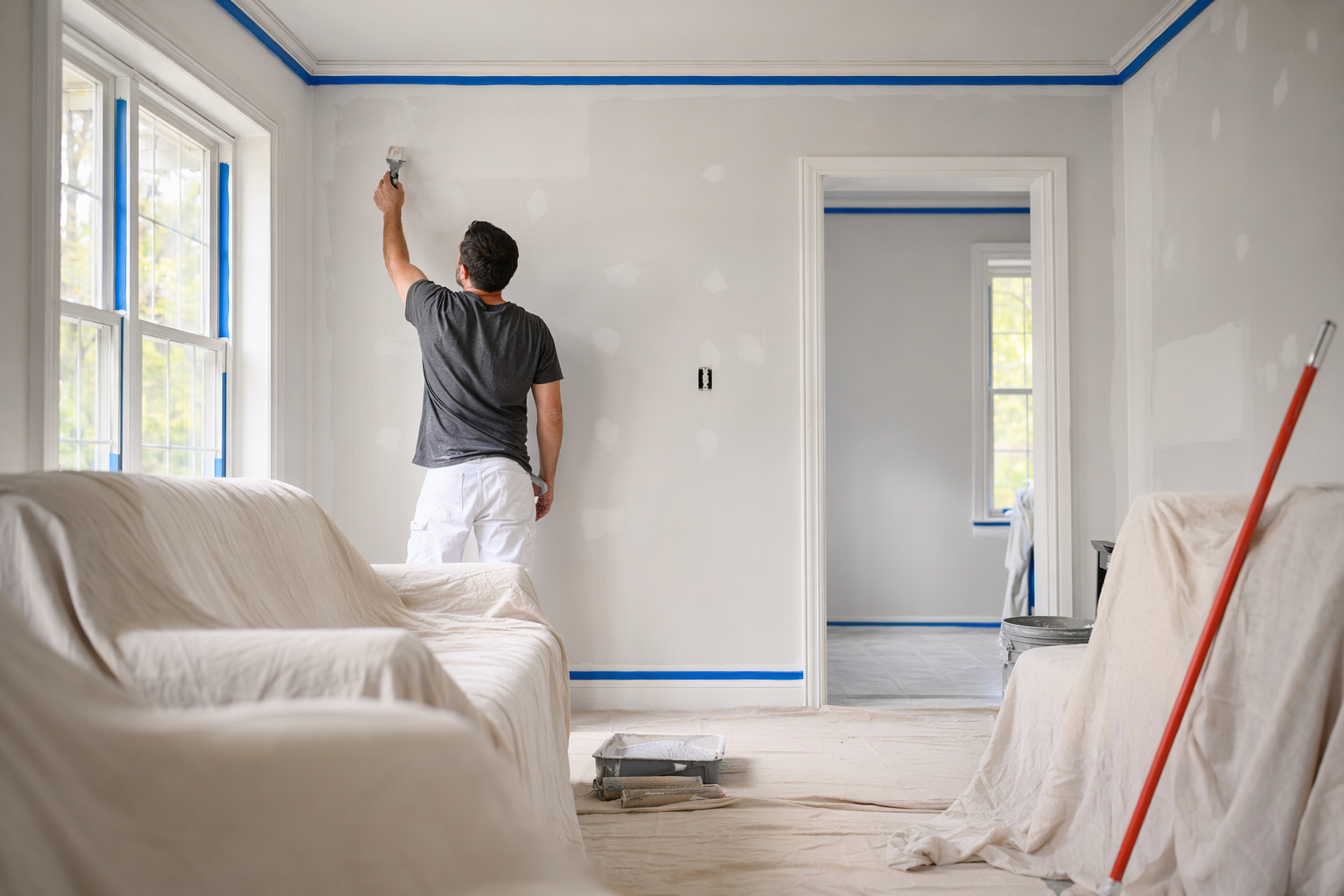
Trim and baseboards look best when the prep is careful, the finish is durable, and the price and scope are clearly written down before work starts.
Common questions
What paint finish is best for baseboards?
Semi-gloss is a common choice because it is durable and easier to wipe clean. Satin can also work if you want less shine or if the trim has surface flaws.
Should trim be the same white as the walls?
Not always. Some homes look best with a brighter or softer trim white, while others look great with trim painted close to the wall color for a lower-contrast look.
Do painters usually sand trim before painting?
Often, yes. Light sanding helps smooth rough areas and can help new paint bond better, especially over glossy older paint.
Why does trim painting cost more than I expected?
A lot of the work is in prep and detail, not just applying paint. Filling holes, sanding, caulking, protecting floors, and cutting clean lines all take time.
Can HuePort give me a quote for trim painting?
No. HuePort is a free matching service, not a painting company, so we do not perform the work or give quotes. We help you connect with licensed, insured painters near you.
What if my home was built before 1978?
Older paint may contain lead. Ask any painter you consider how they follow lead-safe work practices during prep and cleanup.