Projects
Small business & office painting
Painting a small business or office is different from painting a home: timing, durability, and keeping the space usable matter a lot. Here’s what the work usually includes, what affects cost, and how to find a licensed, insured painter near you.
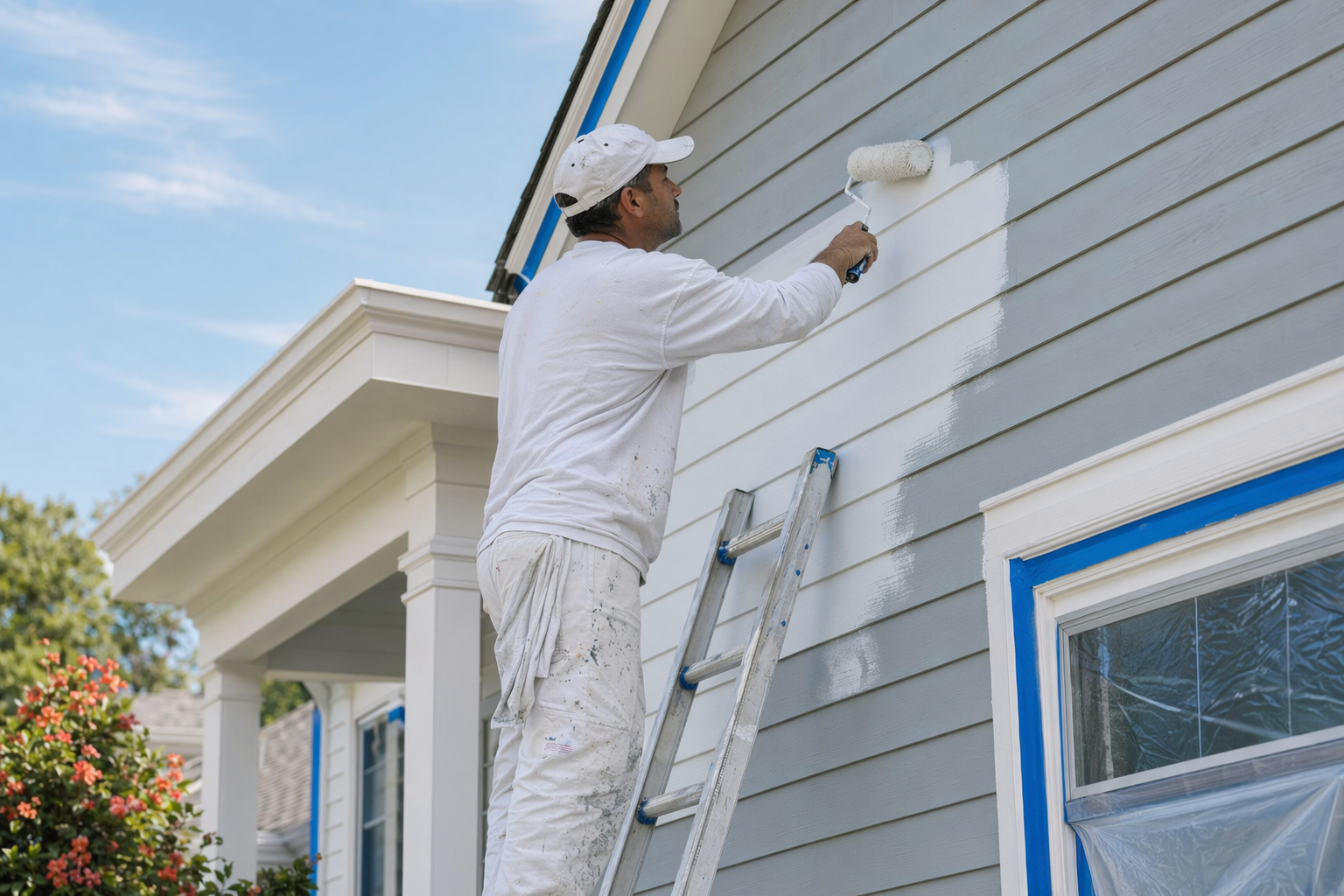
What small business and office painting usually includes
Commercial and office painting can mean a lot of different jobs: repainting walls in a small office, freshening a retail shop, updating a reception area, painting doors and trim, coating break rooms or restrooms, or turning over a rental unit between tenants. Some projects are mostly cosmetic. Others need more prep because of scuffs, patching, moisture stains, grease, or heavy traffic.
A good painter does more than roll on a new color. They look at the surface condition, protect floors and furniture, patch dents and holes, sand rough spots, caulk gaps where needed, prime repairs, and choose a paint that fits the use of the space. In offices and businesses, low-odor products, washable finishes, and a schedule that reduces disruption are often just as important as color.
If the building has older surfaces, damaged drywall, water marks, peeling paint, or stained trim, expect prep to be a real part of the job. That prep affects both the final look and the price. The paint itself matters, but the prep work is usually what separates a fast repaint from a professional result.

How a pro handles the job well
A licensed, insured painter will usually start with a walkthrough and a written scope. That should spell out which rooms or areas are included, what prep is covered, how many coats are planned, what paint line or grade will be used, and whether the work will happen during business hours, evenings, weekends, or in phases.
For occupied spaces, pros often work after hours so employees, customers, or tenants can still use the building. They may move furniture carefully, mask off work areas, protect electronics, and use paints that dry well and clean up easily. In high-touch areas like hallways, doors, handrails, and conference rooms, they may recommend a more durable finish than you would use in a bedroom at home.
Color planning matters too. Businesses often want something clean and professional, but not cold. Whites, soft grays, warm neutrals, muted blues, and greige tones are common because they look neat in many lighting conditions. If you want help narrowing that down, our colors and projects pages can help you think through finish, mood, and maintenance.
If the property was built before 1978 and old paint will be disturbed, ask how the painter follows lead-safe work practices. That is a safety question worth asking on older buildings, especially in mixed-use spaces or older rentals.
What it costs, and what changes the price
Small business and office painting costs vary a lot by layout, surface condition, access, timing, and your area in the US. As a very general range, repainting a small office suite or small retail space may run roughly $2 to $6 per square foot for straightforward wall painting, with many small jobs landing somewhere around $1,500 to $6,000+. For more detailed commercial work, trim, doors, patching, ceilings, specialty coatings, after-hours scheduling, or occupied spaces that require careful protection, the cost can go higher. These are not quotes.
The real number depends on the surface, the prep, the number of coats, the paint grade, access or height, and your local market. A clean vacant office with one color is usually less expensive than a busy business that needs night work, wall repairs, odor control, and multiple accent colors. Doors, trim, cabinets, restrooms, stairwells, and high ceilings often add labor.
If you are comparing repainting versus other options, painting is usually much less expensive than replacing drywall, trim, paneling, or built-in features that are still in decent shape. But if surfaces are badly damaged, have ongoing moisture issues, or need major repairs first, a painter may tell you painting alone is not the full solution.
For broader price context, you can also browse our costs page. Just remember that online ranges are a starting point, not a promise.
Common commercial paint choices
In work spaces, the best finish is usually the one that looks clean and can handle wiping, touching, and traffic. Flat paint can hide wall imperfections, but it marks more easily. Eggshell or satin is often a practical middle ground for offices, lobbies, and rental interiors because it is easier to clean. Semi-gloss is common on trim, doors, and some utility areas.
The right product depends on the room. Break rooms, bathrooms, clinics, salons, and other moisture-prone or frequently cleaned areas may need a tougher coating than a standard private office. Retail spaces may want stronger color contrast or accent walls, while professional offices often lean toward calmer, more neutral palettes.
A good painter should explain why they are recommending a certain finish, not just a color. If odor, quick turnaround, or frequent cleaning matters, say that up front so the product choice fits the real use of the space.
What to watch for before you hire
Business owners, landlords, and office managers can get overcharged when the scope is vague. Be careful with estimates that only say something like “paint office” with one total price and no details. You want the scope, prep, paint, colors, surfaces, and payment terms in writing before work starts.
Watch for common red flags: very large cash deposits up front, door-to-door or “today only” deals, pressure to sign immediately, or a painter who cannot show license and insurance information when your area requires it. Also be cautious if someone promises an unrealistically fast finish date without seeing the condition of the space.
Before you choose a painter, compare a few quotes and ask practical questions:
- What surfaces are included?
- What prep is included?
- How many coats are planned?
- What brand or grade of paint is included?
- Will you work after hours or in phases?
- Who moves or protects furniture and equipment?
- Are touch-ups and final walkthrough included?
- Are you licensed and insured for this type of work in my area?
You stay in control of the project. You confirm the color and the price before work starts, choose who to hire, and confirm the work is done right before paying the final amount.
How HuePort can help you find a painter
HuePort is a free matching service for homeowners, renters, and property owners looking for painting help. We are not a painting company, not a licensed contractor, and we do not perform painting work. We help you get connected with licensed, insured painters near you so you can compare options.
When you use HuePort, we only collect basic contact and project intent details: your name, phone, optional email, project type, interior or exterior, ZIP code, preferred language, and optional notes. We do not ask for financial account numbers, Social Security numbers, income, or sensitive personal records.
To get started:
1. Tell us about the office, small business, rental, or commercial space.
2. Share your ZIP code, preferred language, and basic project notes.
3. Compare painters, scope, timing, and written pricing.
4. Choose the pro you want to hire.
If you're ready, you can get matched now. If you are still comparing project types first, visit projects.
- Free for the property owner
- You compare the scope, color, and price yourself
- Best for small commercial, office, and rental repaint projects

Office and small business painting is mostly about good prep, durable paint, and a clear written scope so you can compare real prices and avoid surprises.
Common questions
Can office painting be done after business hours?
Yes, many painters offer evening or weekend scheduling for offices and small businesses. After-hours work can cost more in some areas, especially if the job needs phased access or faster turnaround.
How long does a small office painting project take?
A simple repaint may take a day or two, while larger or more detailed projects can take longer. The timeline depends on prep, drying time, number of coats, access, and whether the work is done in phases around business operations.
What finish is best for office walls?
Eggshell or satin is often a practical choice because it looks clean and is easier to wipe than flat paint. The best finish depends on traffic, lighting, and how often the walls need cleaning.
Do I need a licensed painter for a small commercial space?
Requirements vary by state and local area, but hiring a licensed, insured painter is the safer move when licensing applies. Always verify it yourself and get the scope, paint, and price in writing.
Is commercial painting more expensive than house painting?
Sometimes yes, especially when the job needs after-hours scheduling, durable coatings, multiple rooms, or careful protection of occupied work areas. The real cost depends on the surfaces, prep, number of coats, paint grade, access, and your area.
Can HuePort give me a quote for office painting?
No. HuePort is a free matching service, not a painting company, so we do not perform the work or give quotes. We help you connect with painters so you can compare written estimates.