How we've helped
New to the US, got fair painting quotes
This is an anonymized, illustrative story about how a new arrival used HuePort to pick a confident color, compare written quotes, and hire a licensed, insured painter—without getting overcharged. It’s not a specific client case.
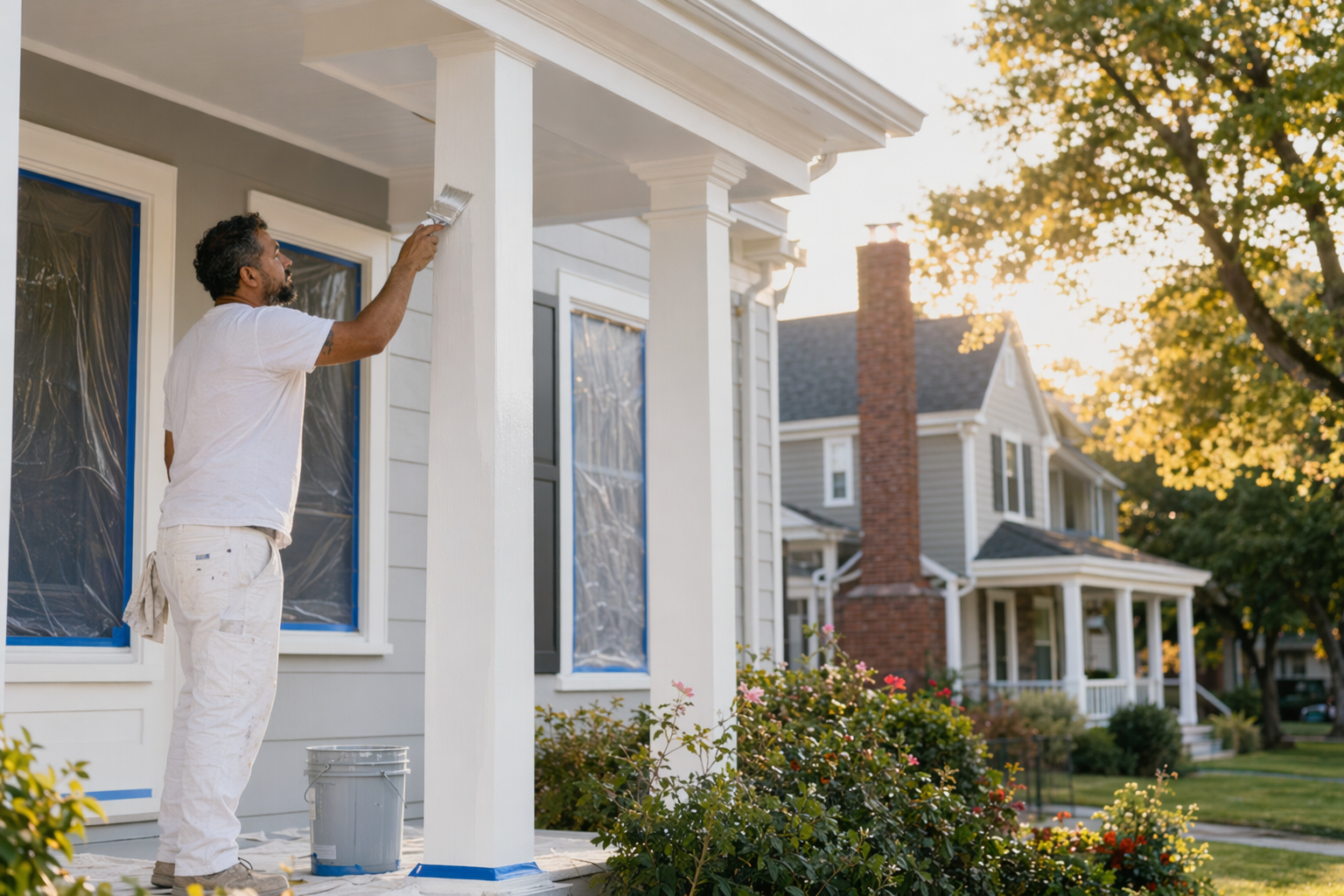
An illustrated story (not a real client): starting fresh and choosing a color
This is an anonymized, illustrative example. It shows how someone new to the US approached an interior painting project with less stress and more control—especially when English is not their first language.
First, they decided what they wanted to change and what they wanted to keep. They chose a room (a living room) and brought inspiration from online photos and a few paint swatches they liked. The goal was simple: a color that felt “warm” and “clean,” not too bright, and not so dark the room would feel smaller.
They used HuePort as a free matching service to connect with licensed, insured painters near their ZIP code. HuePort does not do the painting and does not sell paint—it's there to help homeowners plan, pick a color/finish with confidence, and get connected. They also noted their preferred language so they could communicate clearly.

Get clear on the scope before anyone quotes (and keep it in writing)
Before requesting quotes, they made their plan as clear as possible. They didn’t just say “paint the living room.” They described what needed work and what kind of finish they were aiming for.
They wrote down key details like: walls only vs. trim too, number of rooms, approximate wall size (as best they could), whether doors and baseboards were included, and whether they expected more than one coat. They also took photos in good lighting—front of the room, corners, and any spots that looked rough.
That clarity helped quotes be comparable. In the US, fair pricing depends heavily on prep and surface condition. Two painters can both be “reasonable,” but one might include more prep or cover a larger surface area. They asked for written quotes so they could compare the real scope, not vague promises.
How they picked a color with confidence (without guessing the finish)
Color choice felt like the fun part—but they treated it like a decision with a method. They looked at how the same color could shift depending on daylight and wall texture.
They asked the painters (after HuePort connected them) about finish options in simple terms: matte/flat for hiding wall imperfections versus eggshell/satin for easier cleaning in living spaces. They also understood that “one coat” is rarely reliable over different colors, repairs, or stained areas—so they planned for at least two coats as a possibility.
They also did a practical test. Instead of painting the whole room first, they selected a small test area (or relied on swatches) to see the color at different times of day. That reduced the risk of “surprise” after everything was covered.
Vetting a painter: licenses, insurance, and lead-safe questions (if relevant)
They didn’t skip the basics. They checked that each painter was properly licensed and carried insurance appropriate for the work. A reputable contractor should be able to show proof and explain what’s included.
Because their home was older than 1978, they treated lead safety as a safety topic, not a debate. They asked how the painter follows lead-safe work practices (for example, controlling dust during sanding and prep) and how they protect occupants and cleanup the work area. They didn’t expect the painter to “just handle it” without explanation.
They also looked for professional signals: clear communication, consistent answers, and a willingness to put the plan and price in writing. If someone pressured them, refused to document details, or got vague about prep and materials, that was a red flag.
Comparing cost: realistic ranges and what usually changes the price
They knew the important truth: cost ranges are not quotes. The real price depends on surface condition, prep needs, number of coats, paint grade, how much trim is included, and access/height.
As a starting point, many homeowners find interior wall painting often falls somewhere in these broad ranges (not a guarantee):
- Roughly $1,500–$4,000 for a typical single-room interior (walls and often included trim), assuming standard prep and two coats.
- Higher if there’s heavy patching, lots of sanding, significant repairs, stained surfaces, or extensive trim details.
They kept expectations realistic by asking what the prep included. Prep is where time lives: patching holes, smoothing rough areas, cleaning, scraping, priming, and protecting floors and furniture. When quotes clearly listed prep and materials, the comparison felt fair.
They also avoided common overpaying traps: big cash deposits up front, “today only” discounts with pressure to sign immediately, or vague pricing that didn’t list surfaces, coats, and cleanup. They asked to compare a few written quotes before agreeing.
They stayed in control: confirm details, inspect before final payment, and avoid scams
Their final step was control. Before work started, they confirmed the color, finish, and exact scope listed in the written quote. They made sure the surfaces to be painted matched what they expected—walls, doors, baseboards/trim, and whether they were repainting in one direction or full coverage where needed.
When the painter arrived, they paid attention to setup: floors protected, surfaces protected from overspray/drips, and a clean work area. If anything didn’t match the plan, they brought it up right away.
Before paying the final amount, they did a careful walk-through. They checked coverage, edges near trim, and whether prep spots (like patch areas) looked solid after painting. They didn’t rely on “trust me”—they verified the work was done right before paying the final payment.
If you’re planning your own project, the same approach helps: use HuePort to get matched, request clear written quotes, vet licensing and insurance, discuss lead-safe practices if your home is pre-1978, and compare scope and prep—not just a number.

Use HuePort for free matching, get clear written quotes, verify the painter is licensed and insured, and confirm scope and prep before you pay—so you can choose your color with confidence and avoid overpaying.
Common questions
Is HuePort a paint company that does the work?
No. HuePort is a free matching service. We help homeowners plan an interior or exterior painting project, pick a color and finish with confidence, and connect with licensed, insured painters near you—but we don’t perform painting work.
What should I ask for in a written quote?
Ask what surfaces are included (walls, trim, doors, exterior features), what prep is included (patching/sanding/cleaning/priming), how many coats are planned, paint/finish type if possible, and what the final cleanup will include. Written quotes help you compare fairly.
How do I avoid overpaying for painting?
Avoid pressure tactics (like “today only” deals), big cash deposits up front, and vague pricing. Compare multiple written quotes with the same scope and ask what prep and coats are included. If a quote seems unusually high or unclear, get another opinion.
My home is older than 1978—should I worry about lead?
Paint may contain lead in homes built before 1978. You should ask contractors how they follow lead-safe work practices and protect occupants and cleanup the area. Follow local rules and guidance from licensed professionals.
Do cost ranges mean my price will be the same?
No. Ranges are only estimates. Your real cost depends on your surface condition, prep needs, number of coats, paint grade, access/height, and your area. A written quote after an assessment is what you should rely on.