Color & finish
Understanding paint undertones
A paint color is rarely just white, gray, beige, or blue. Hidden undertones can make a color look warmer, cooler, greener, pinker, or duller once it is on your wall, trim, cabinets, or siding.
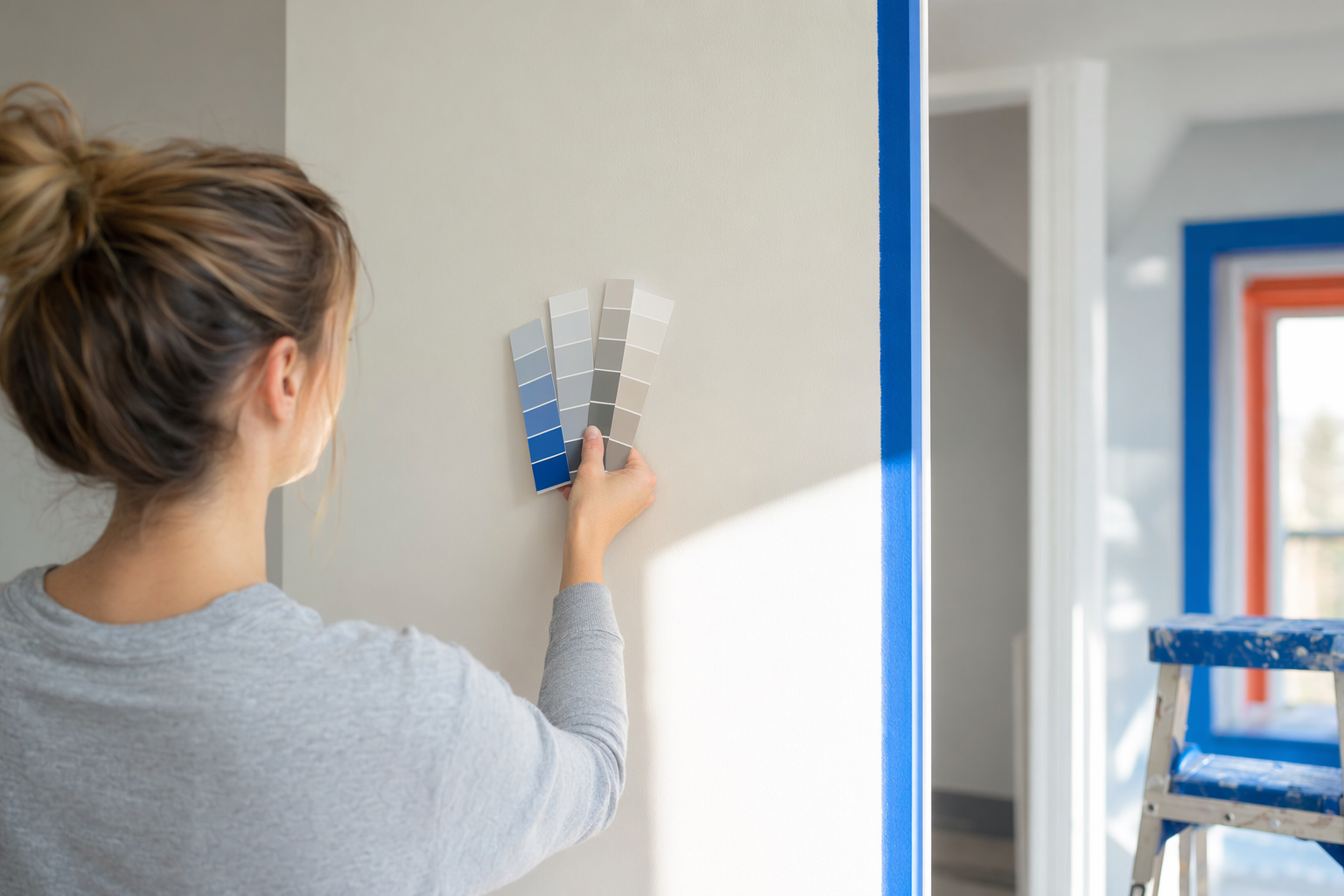
What undertones are, in simple words
An undertone is the quiet color underneath the main color you notice first. A paint chip may look like a soft white, but the undertone might lean yellow, pink, blue, green, or gray. That small color bias is why two paints that both look "white" in the store can look very different at home.
Undertones matter because paint covers a large area. On a tiny sample card, they can seem subtle. On four full walls, kitchen cabinets, or exterior siding, they become much easier to see. That is when a gray may suddenly feel purple, or a beige may look more yellow than you expected.
This does not mean the paint is bad. It just means the color is reacting to light, nearby surfaces, and the size of the space. Learning to spot undertones helps you choose a color with more confidence instead of hoping it will "just work."
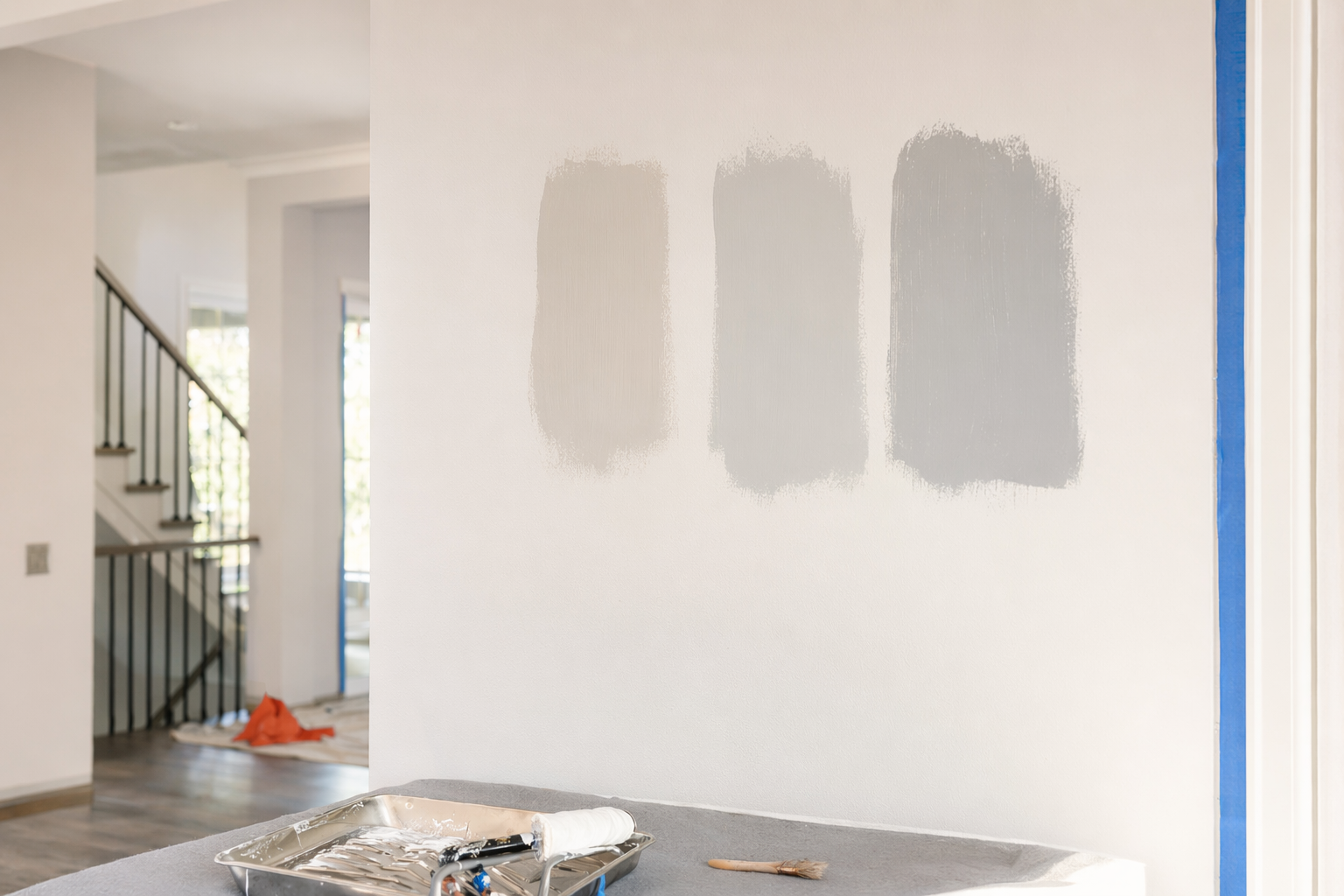
Why a color changes once it is on your wall
Light is the biggest reason. North-facing rooms often make colors feel cooler and a little flatter. South-facing rooms usually bring in warmer, brighter light. East-facing light can feel soft in the morning and cooler later. West-facing rooms may look neutral earlier in the day, then much warmer near sunset. The same paint can shift during the day without anything being wrong.
Your other finishes also influence what you see. Wood floors, countertops, tile, rugs, brick, roofing, and furniture can pull a paint color warmer or cooler. A greige next to orange-toned wood may look more pink. A white beside a very cool countertop may suddenly seem creamy or yellow.
Sheen matters too. A flatter finish diffuses light and can soften undertones. A shinier finish reflects more light and may make color movement easier to notice. If you are still choosing a finish, our colors hub and guides for interior painting and exterior painting can help you think through the full picture.
How to spot undertones before you buy gallons
The easiest trick is comparison. Paint colors are easier to read when you place them next to other similar colors. One white may look clean until you put it beside a bluer white, then it suddenly looks creamy. One gray may seem neutral until it sits beside a greener gray, then it may read purple.
Try to compare colors in three ways: against bright white paper, against your fixed finishes, and against a few similar paint cards. Look at them in morning light, afternoon light, evening light, and with lamps on. Move the sample from wall to wall if your room gets uneven light.
You can also ask: does this color feel more sunny or more shadowy? More yellow-red warm, or more blue-green cool? You do not need perfect design language. You just need to notice the direction the color leans.
If you are feeling stuck, do not rush into a full paint order. HuePort is a free matching service, not a painting company or paint store. We can help you connect with licensed, insured painters near you through get matched, and you can ask them to look at your room, surface, and lighting before you decide.
How to test paint the smart way
Testing is the best way to avoid a color surprise. A small chip is a starting point, not a final answer. Buy sample sizes if available, or ask a local paint store about sample options. Then test before committing to gallons.
- Choose 2 to 4 close colors, not 12 very different ones.
- Paint large sample areas, not tiny squares. Bigger tests are easier to judge.
- Put samples on more than one wall, especially walls with different light.
- Leave space between each sample so the colors do not blend visually.
- Look in daylight and at night with your usual lamps on.
- Check the color next to flooring, cabinets, counters, trim, and curtains.
- Live with it for a day or two before deciding.
Many homeowners also paint sample boards instead of painting directly on the wall. That lets you move the sample around the room and hold it next to tile, fabric, or wood. It is especially helpful if you are choosing an exterior color and want to carry the sample around the house.
If you hire a painter, confirm in writing which exact color name, brand line, and finish will be used before work starts. That protects you from mix-ups and helps everyone stay on the same page.
Common undertone surprises by color family
Whites often surprise people the most. A white can lean creamy yellow, soft pink, gray, blue, or even green. If a white looks too stark, it may be reading cool. If it looks too buttery, it may have a stronger warm undertone than you wanted.
Grays are famous for shifting. Some go blue, some green, some violet. Greiges can lean pink, taupe, or yellow depending on the light and what is around them. Beige and tan shades can look warmer, muddier, or peachier than expected once they cover a full room.
Blues and greens can also move more than people expect. A blue with gray in it may feel calm in one room and dull in another. A green can look fresh beside white trim but too minty beside warm stone or wood.
Outside, undertones can feel even stronger because sunlight is brighter and the painted area is much larger. Siding, trim, brick, roofing, and landscaping all affect how a color reads. Test exterior colors on multiple sides of the home before deciding.
Which finish works best, and when to get help
Undertone and finish work together. In general, flatter finishes hide wall texture better and give a softer look, while shinier finishes are easier to wipe clean but show more surface flaws. A common starting point is flat or matte for many ceilings, eggshell or satin for many living areas and bedrooms, and satin, semi-gloss, or another more washable option for trim, doors, cabinets, kitchens, and baths. The right choice depends on the surface condition, moisture, cleaning needs, and the look you want.
Prep matters as much as color. Patchy walls, stains, raw repairs, old glossy paint, and rough surfaces can change how the final color looks. If the home was built before 1978, old paint may contain lead. Ask any painter how they follow lead-safe work practices. That is an important safety question, especially before sanding or heavy prep.
If you hire out the job, choose licensed and insured painters and verify it. Get the scope, prep, paint brand or grade, finish, number of coats, and price in writing. Watch for vague pricing, large cash deposits up front, door-to-door "today only" deals, no license or insurance, or pressure to sign right away. Compare a few quotes, because the real cost depends on the surface, prep, coats, paint quality, access, and your area. As a rough guide, many interior painting jobs land around a few hundred dollars for a small room to several thousand for multiple rooms or a full interior, while exterior painting often ranges from several thousand to well over $10,000 for larger or prep-heavy homes. These are general ranges, not quotes.
HuePort is free for homeowners. We only collect basic contact and project details like your name, phone, optional email, project type, ZIP, preferred language, and notes so you can hear from painters near you. If you want help comparing options, you can get matched with painters in your area.

Undertones are the hidden warm or cool color inside paint, and testing them in your home's real light is the best way to avoid a surprise.
Common questions
Why does my gray paint look purple or green?
That usually means the gray has a violet or green undertone that became more visible in your room's light. Flooring, counters, trim color, and the time of day can make that shift stronger.
How can I tell if a white paint is warm or cool?
Compare it with other whites and with bright white paper. Warm whites often lean yellow, cream, pink, or beige, while cool whites often lean blue, gray, or crisp neutral.
Should I test paint on the wall or on a sample board?
Either can work, but large sample boards are easier to move around the room and compare with floors, tile, or cabinets. The key is to test a big enough area and look at it in different light.
Does paint finish change how undertones look?
Yes. Higher-sheen finishes reflect more light, so color shifts and surface flaws can stand out more. Flatter finishes usually soften the look a bit.
Can a painter help me choose the right undertone?
Often, yes. A good licensed, insured painter can point out how a color may react to your lighting and surfaces, but you should still confirm the exact color, finish, scope, and price in writing before work starts.
What if my home was built before 1978?
Older paint may contain lead. If prep will disturb old paint, ask the painter how they follow lead-safe work practices and follow local rules.