Exterior
Painting brick
Painting brick can look beautiful, but it is a big decision because painted brick is hard to return to its original look. Good prep, the right masonry products, and an experienced exterior painter matter a lot.
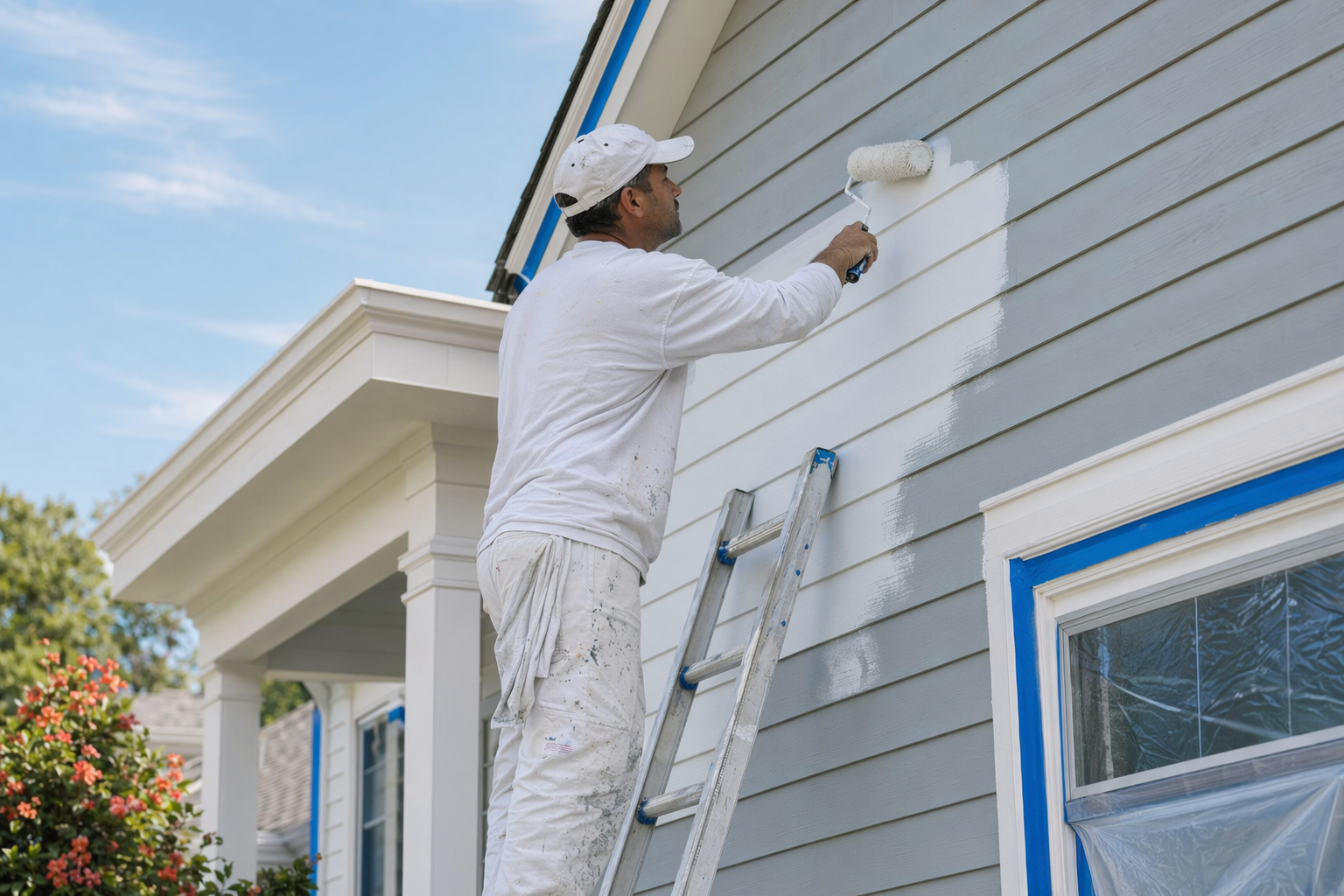
Before you paint brick, know what you are signing up for
Brick is different from wood siding or trim. It is porous, holds moisture, and needs to breathe. When brick is painted the job can last well, but only if the surface is dry, sound, and coated with products made for masonry.
The biggest thing to know: painting brick is usually hard to undo. Removing paint from brick can be expensive, messy, and may damage the surface. That is why many homeowners take extra time on color and sheen before starting. If you are still deciding, it can help to compare ideas on our colors pages and review broader exterior painting basics.
Some brick should not be painted until moisture problems are fixed first. If water is getting in from bad gutters, cracked mortar, missing flashing, or grading issues, paint will not solve that. It may fail early. A licensed, insured exterior painter can point out visible paint concerns, but structural or moisture-source questions should go to the right local professional.
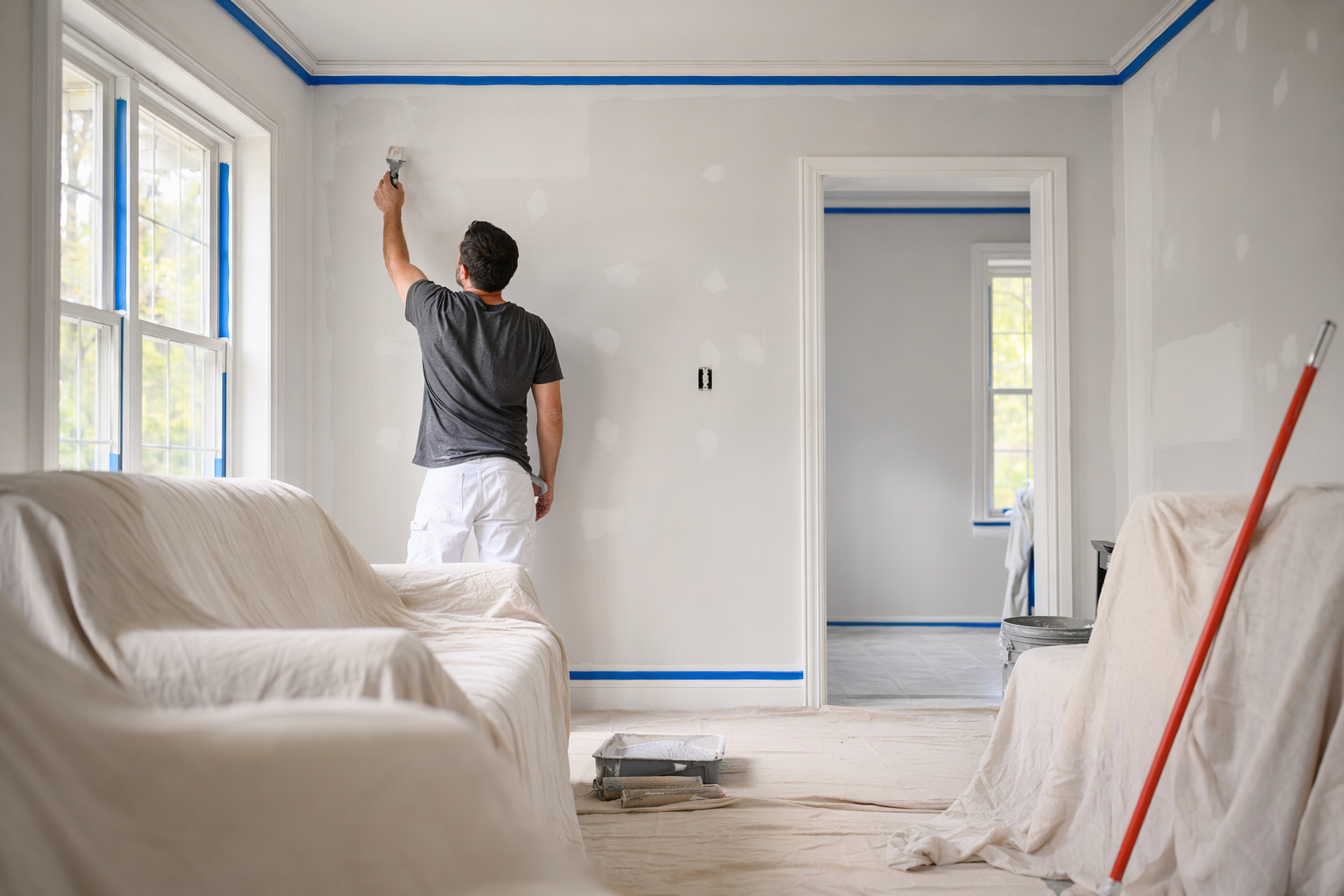
Prep matters more on brick than most people expect
A lasting brick paint job starts with cleaning, drying, repairs, and the right primer. Dust, chalky residue, mildew, peeling old coatings, and efflorescence — that white, salty-looking deposit on masonry — all need attention before painting. If those are painted over, the finish can blister, peel, or look uneven.
A typical prep process may include inspection, gentle washing, mildew treatment where needed, scraping loose paint, repointing or patching minor mortar issues, caulking where appropriate, and plenty of drying time. Brick should not be painted right after heavy rain or power washing if it has not fully dried out.
For homes built before 1978, old paint may contain lead. Ask how the painter follows lead-safe work practices. That is an important safety question before prep begins.
Because brick texture varies a lot, prep time and labor can change the price quickly. Smooth painted brick is usually simpler than rough, weathered, previously failing brick with repairs.
What paint or coating works best on exterior brick
Exterior brick usually needs a masonry primer and a high-quality exterior masonry paint or breathable coating made for brick and similar surfaces. Many painters use products designed to handle weather, resist mildew, and allow moisture vapor to escape better than the wrong kind of standard paint.
The goal is not just color. The coating needs to bond well, flex with weather changes, and hold up to sun, rain, and freeze-thaw cycles. Flat or low-lustre finishes are common on brick because they look more natural on a textured surface and hide imperfections better than shinier finishes.
Not every masonry surface should be treated the same way. Painted brick, bare brick, limewashed brick, and previously sealed brick can each need a different approach. A painter with real brick experience should explain what primer and topcoat they plan to use, how many coats are included, and why.
Ask for the full scope in writing: cleaning, repairs, primer, paint line, number of coats, and what is excluded. That helps you compare quotes fairly and avoid vague pricing.
Weather and timing can make or break the job
Exterior brick painting depends heavily on weather. Most products need a temperature range that is not too hot, not too cold, and not too wet. Rain too soon after painting can damage curing. Very hot sun can make paint dry too fast. Cold nights can affect adhesion and cure time.
That is why good painters watch both the day forecast and the overnight forecast. They also think about shade, wind, humidity, and the side of the house being painted. A south-facing wall in summer may behave very differently from a shaded wall in spring.
If your area gets freeze-thaw cycles, long wet seasons, or high humidity, timing matters even more. In many parts of the US, spring and fall are popular for exterior work, but local conditions vary. The best schedule is the one that gives the surface time to dry, the primer and paint time to cure, and the crew safe access.
No one can honestly guarantee a finish date far in advance when weather is involved. A careful painter should explain how they handle delays instead of promising everything will be done no matter what.
Honest brick painting cost ranges
Exterior brick painting is often priced by square foot, though some painters may quote by the project after seeing access, condition, and details. A common rough range is about $2.50 to $7.00 per square foot for exterior painted brick, with some jobs landing lower or higher depending on prep, repairs, primer needs, trim masking, and local labor costs. These are general ranges, not quotes.
For a full exterior, the total can change a lot based on the size of the home, how much brick is actually being painted, whether there is old failing paint, how many coats are needed, and how hard the walls are to reach. Two-story homes, steep grades, scaffolding, heavy prep, and detailed trim work usually raise the price.
Paint grade matters too. Better masonry primer and exterior paint cost more, but cheap products can cost more in the long run if they fail early. If one quote is much lower than the others, ask exactly what prep is included and whether primer, repairs, and two finish coats are part of the price.
You can browse more general costs to understand what affects exterior painting prices, but brick is its own category because surface condition and moisture issues matter so much.
How to find a licensed exterior painter for brick
Brick is not the surface to treat like a basic repaint. Look for a licensed, insured painter who has done exterior brick before and can explain their prep and product choices in plain language. Ask what they have seen go wrong on brick jobs and how they try to prevent it.
Get a few quotes and compare more than price. Watch for red flags: vague pricing, large cash deposits up front, door-to-door 'today only' offers, no license or insurance, or pressure to sign right away. You should get the color, paint, scope, and price in writing before work starts. You stay in control: you choose who to hire, confirm the color and price, and confirm the work is done right before paying the final amount.
HuePort is a free matching service, not a painting company, licensed contractor, or paint store. We do not do the painting work. We can help you get connected with painters near you for your project through get matched. It is always free for the homeowner, and we only collect contact and project details such as your name, phone, optional email, project type, ZIP, preferred language, and optional notes.

Painting brick can look great, but it is hard to undo, so hire a licensed, insured painter who knows masonry prep and get the full scope and price in writing first.
Common questions
Is painting brick a bad idea?
Not always, but it is a long-term choice. Painted brick can look great, yet it is usually hard and costly to reverse, so it is smart to decide carefully and fix moisture issues first.
What kind of paint do you use on exterior brick?
Painters often use a masonry primer and a breathable exterior masonry paint or coating made for brick. The exact system depends on whether the brick is bare, already painted, sealed, or showing moisture-related problems.
How long does painted brick last outside?
It depends on prep, product quality, weather exposure, and moisture control. A properly prepared and coated surface can last for years, but there is no honest one-size-fits-all timeline.
How much does it cost to paint a brick house?
A rough exterior brick painting range is often about $2.50 to $7.00 per square foot, but the real price depends on prep, repairs, coats, access, paint grade, and your area. Those ranges are not quotes.
Can I paint old brick on a pre-1978 home?
You may be able to, but if old paint is present, ask how the painter follows lead-safe work practices during prep. That is an important safety step for older homes.
How do I avoid getting overcharged for brick painting?
Compare a few written quotes and make sure each one lists prep, primer, paint, number of coats, and repairs. Be cautious with vague bids, large cash deposits up front, or pressure to sign on the spot.